Hearing care notes from Singer Audiology.
Practical articles for appointments, hearing aids, tinnitus, and everyday listening.

Lawn mowers, power tools, vacuums, and hobbies can add up to hazardous sound. Learn how to make home tasks quieter and protect your ears.

Restaurant noise can hide speech even when a hearing test seems normal. Try strategic seating, better lighting, visual cues, and simple conversation requests—and know when to schedule a hearing evaluation.
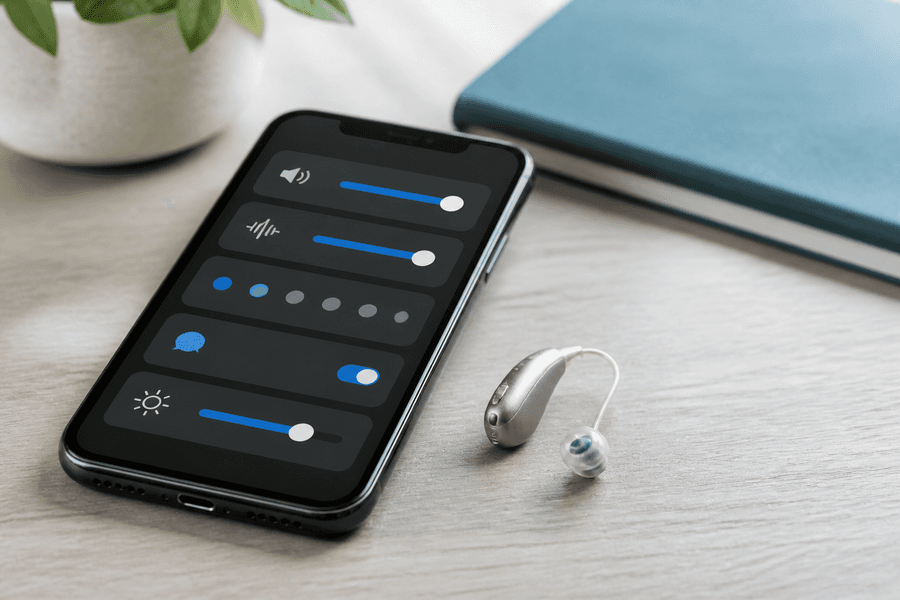
Phone calls can be easier with speakerphone, captions, hearing-aid streaming, telecoil compatibility, and a few volume habits. Learn what to try and when to arrange a hearing evaluation.

Following group conversations can take extra effort when speech is quiet, fast, or surrounded by noise. Learn why social listening may feel exhausting and what can make participation easier.

There is no single hearing-test schedule that fits every adult. Learn when symptoms, risk factors, a baseline, or a change in daily listening should prompt a new hearing evaluation.

A hearing evaluation works best when the patient can describe daily listening problems in their own words. Use this checklist to gather examples, medications, history, logistics, and questions while keeping your parent's choices at the center.

Phonak, Oticon, Starkey, and ReSound introduced new hearing-aid technology in 2026. Compare their features, limits, and the fitting questions that matter before you choose.

A practical overview of workplace hearing conservation for small businesses: measure noise, reduce exposure, select protection, train workers, and arrange hearing testing when needed.
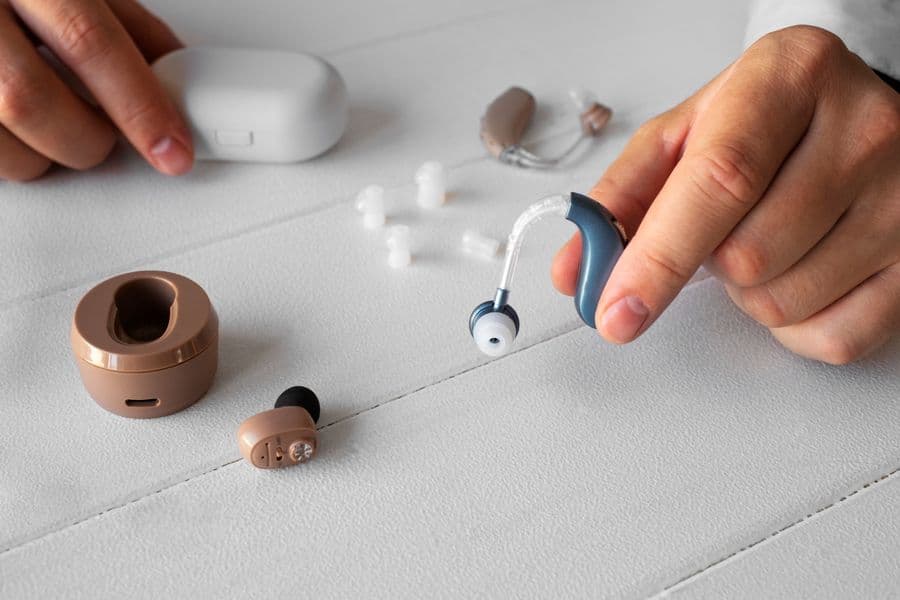
Today’s hearing aids offer different options for fit, sound processing, and phone connections. Learn which features to check for the model you want to try.
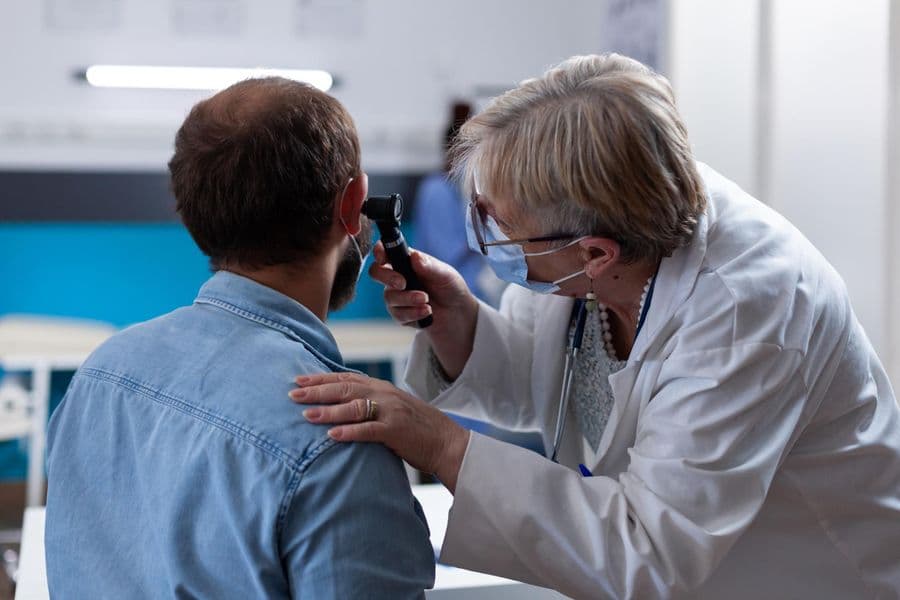
Learn what a workplace hearing test measures, when federal OSHA general-industry rules require annual tests, and what happens if your hearing changes.
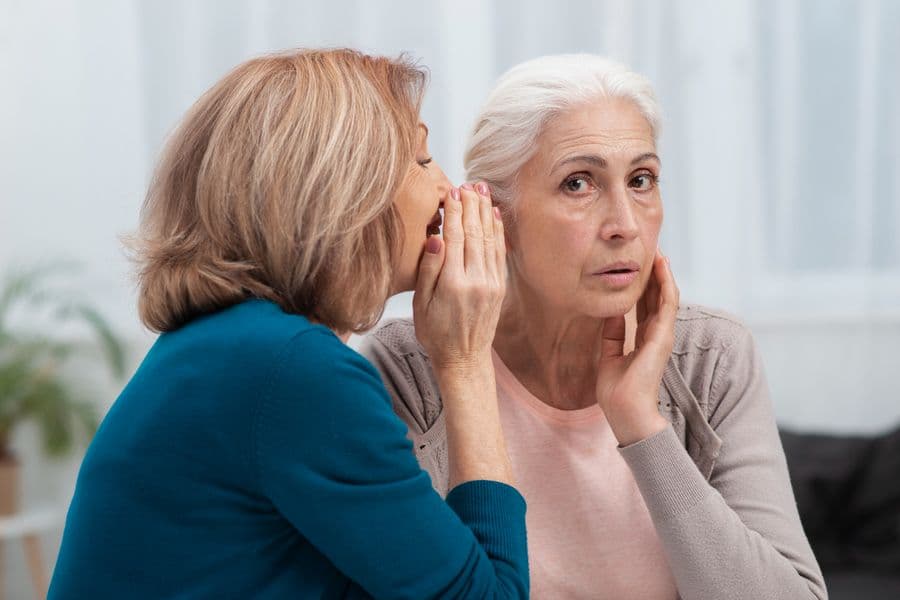
Learn practical ways to support a loved one struggling with hearing loss. Improve communication, reduce frustration, and strengthen family connections.
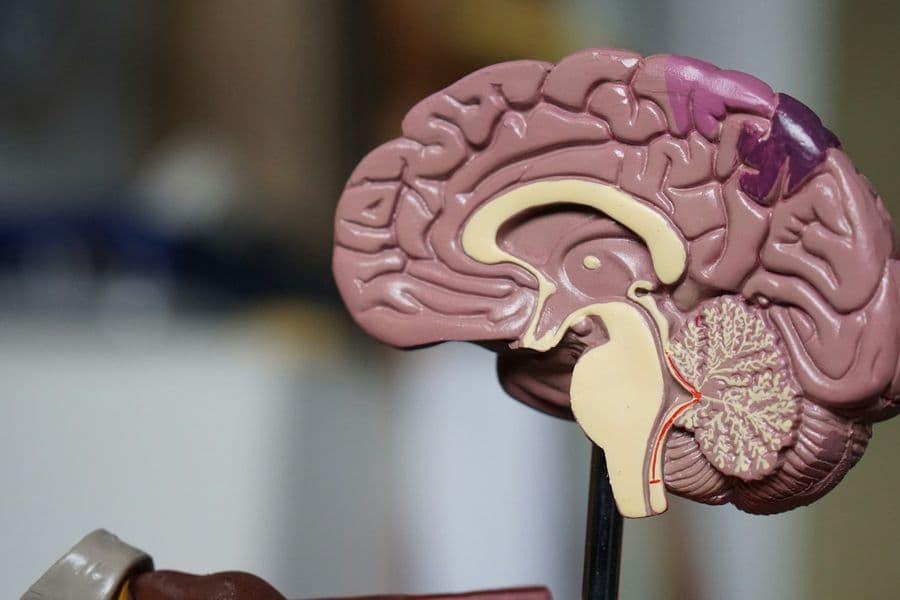
Hearing and brain health are more connected than most people realize. Learn what the research shows, what it doesn't, and why early care matters
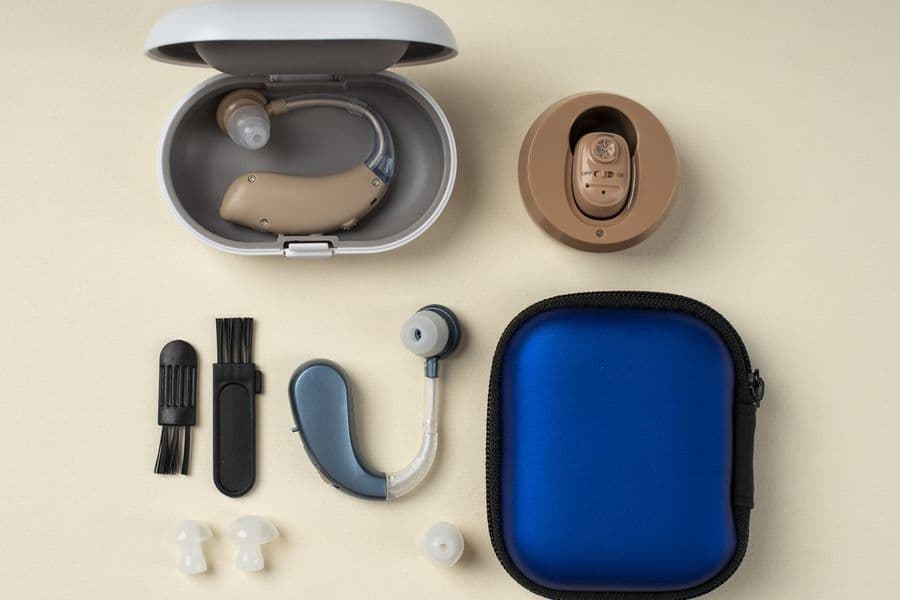
New to hearing aids? Learn what to realistically expect, how the adjustment period works, and the questions to ask before you commit.
Cotton swabs can push earwax deeper and damage your ears. Learn how your ears clean themselves and the safe way to handle buildup.
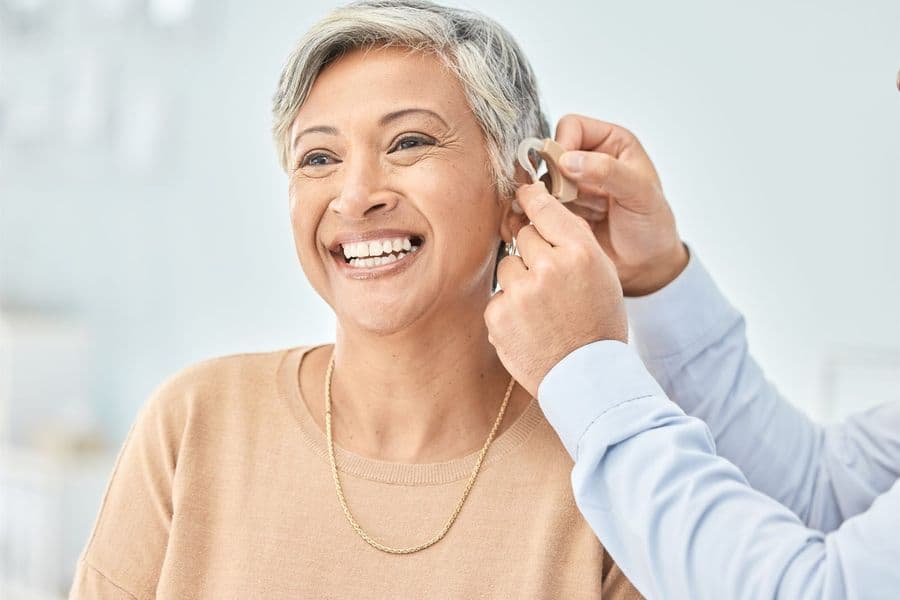
A normal pure-tone audiogram does not explain every listening problem. Learn what can make speech hard to follow and when more testing may help.
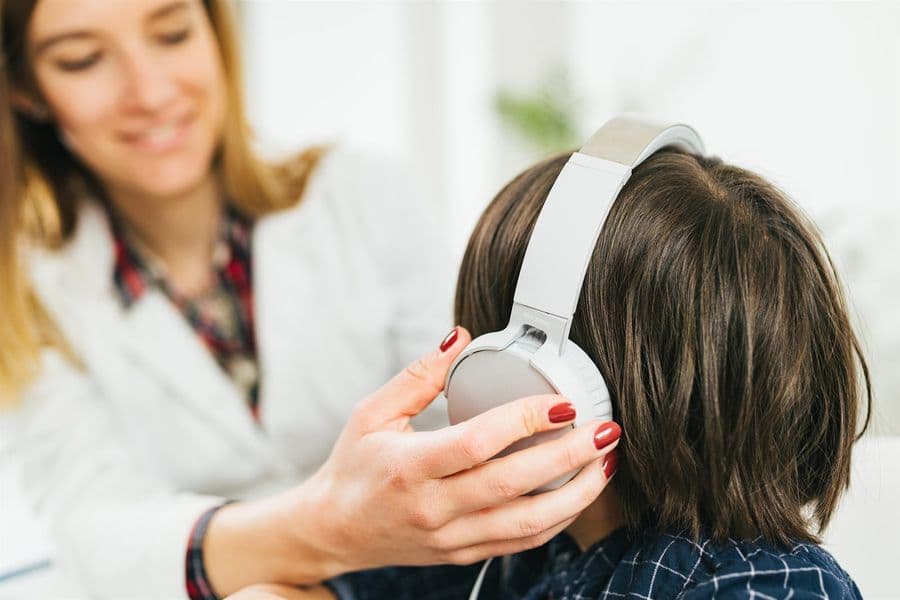
Loud concerts, commutes, and headphones can add to your noise exposure. Learn how sound level, listening time, and well-fitted protection affect risk.
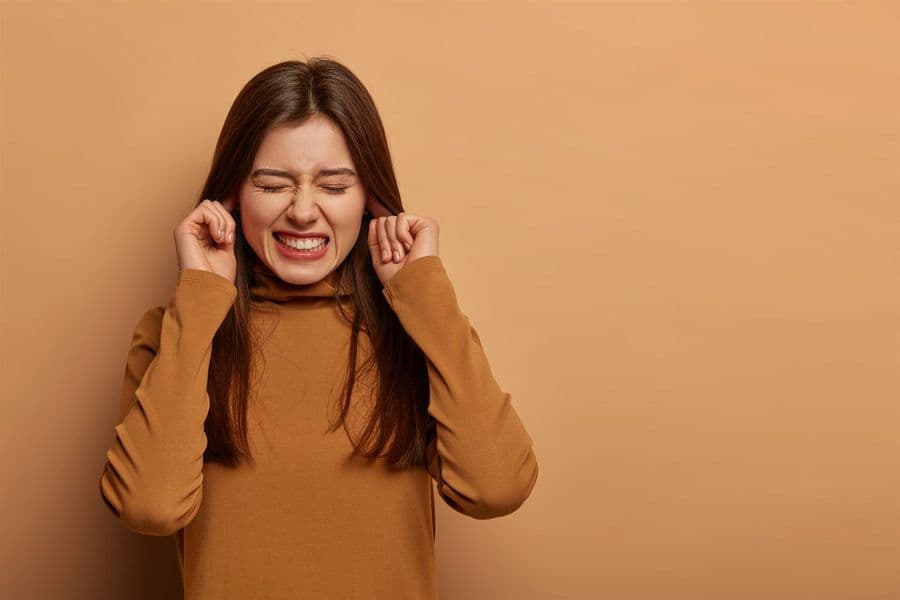
Ringing, buzzing, or hissing in your ears? Learn the common causes of tinnitus, when to get it checked, and how it can be managed.
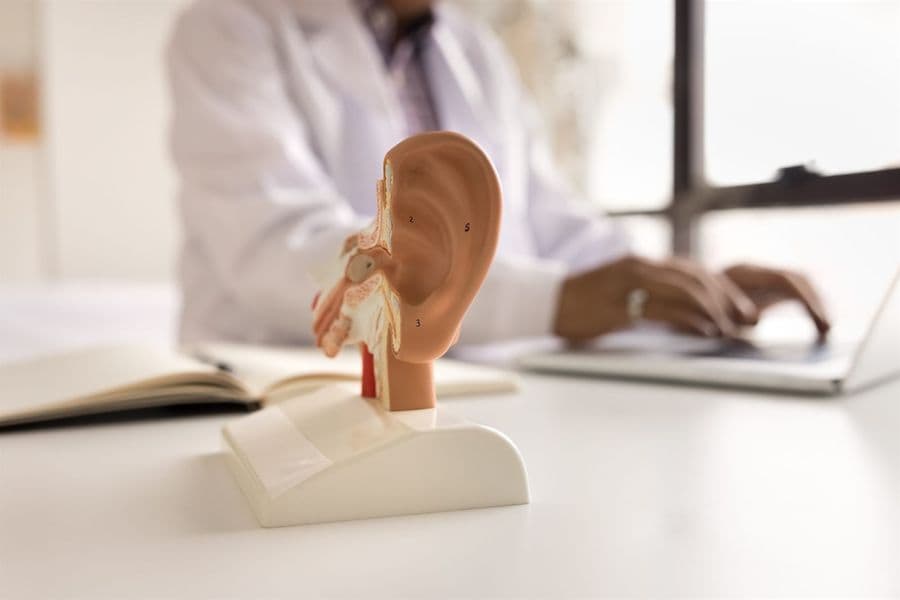
Worried about your hearing? Learn the early signs of hearing loss, the symptoms others notice first, and when to see an audiologist.
About the Author
About the author, Dr. Michelle Singer, Au.D.
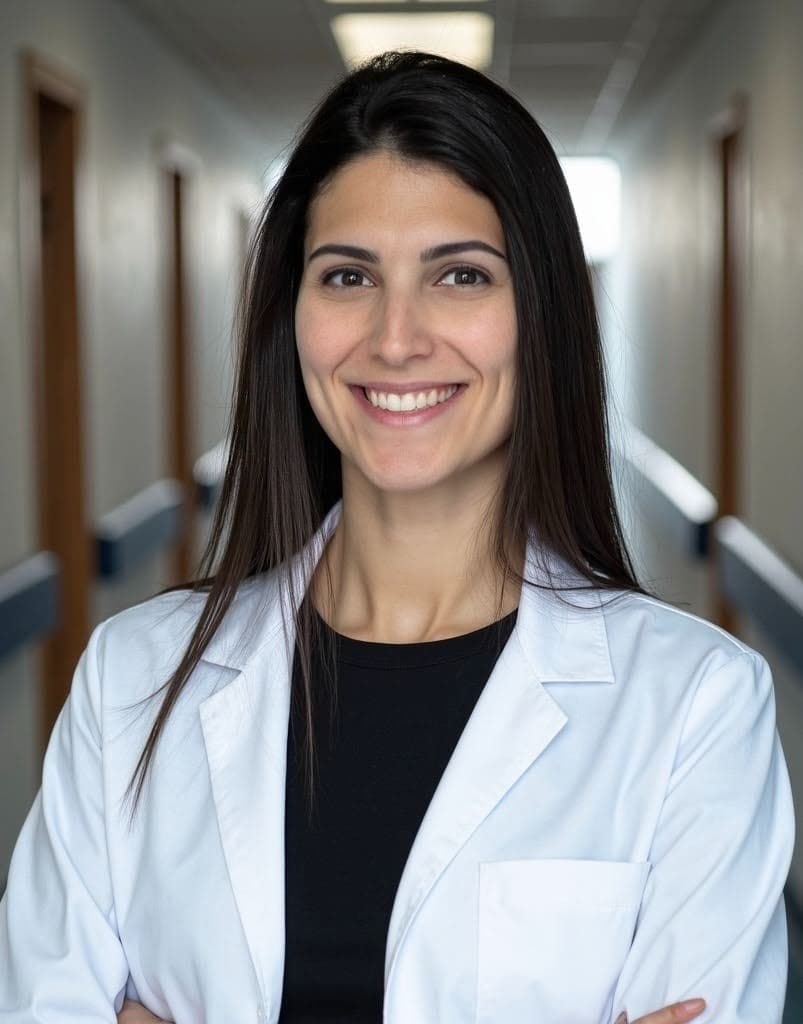
Dr. Michelle Singer is dedicated to delivering individualized hearing care that puts patients first, every step of the way. Her approach is built on asking the right questions, understanding your life, and guiding you to solutions that genuinely fit who you are, with a commitment to eliminating the high-pressure sales atmosphere from medical decision-making.
Originally from Delray Beach, Florida, she moved to New York City to pursue her Doctorate in Audiology at the City University of New York. She holds a B.S. in Communication Sciences and Disorders and a B.A. from the University of Florida. Her residency was completed at the New York Eye and Ear Infirmary at Mount Sinai, one of New York City's leading clinical training programs, and she has worked across multiple hospitals and private practices specializing in adult and geriatric care.
Hearing connects us to the people and moments that matter most, and Dr. Singer's goal is to help every patient leave with a clear understanding of their hearing and a plan that makes sense for them. On the blog, she writes about hearing health, tinnitus, hearing aid technology, and practical strategies for protecting and improving your hearing, making audiology approachable and useful for everyday readers.
Clinical focus
- Adult and geriatric hearing care
- Tinnitus evaluation and management
- Hearing aid fitting and counseling
- Occupational and legal audiology evaluations
Education and credentials
- Licensed Audiologist, State of New York
- Member, American Speech-Language-Hearing Association (ASHA)
- Doctorate in Audiology (Au.D.), City University of New York
- Fourth-year residency, New York Eye and Ear Infirmary at Mount Sinai
- B.S. in Communication Sciences and Disorders, and B.A., University of Florida