What to Know Before Getting Your First Pair of Hearing Aids
New to hearing aids? Learn what to realistically expect, how the adjustment period works, and the questions to ask before you commit.
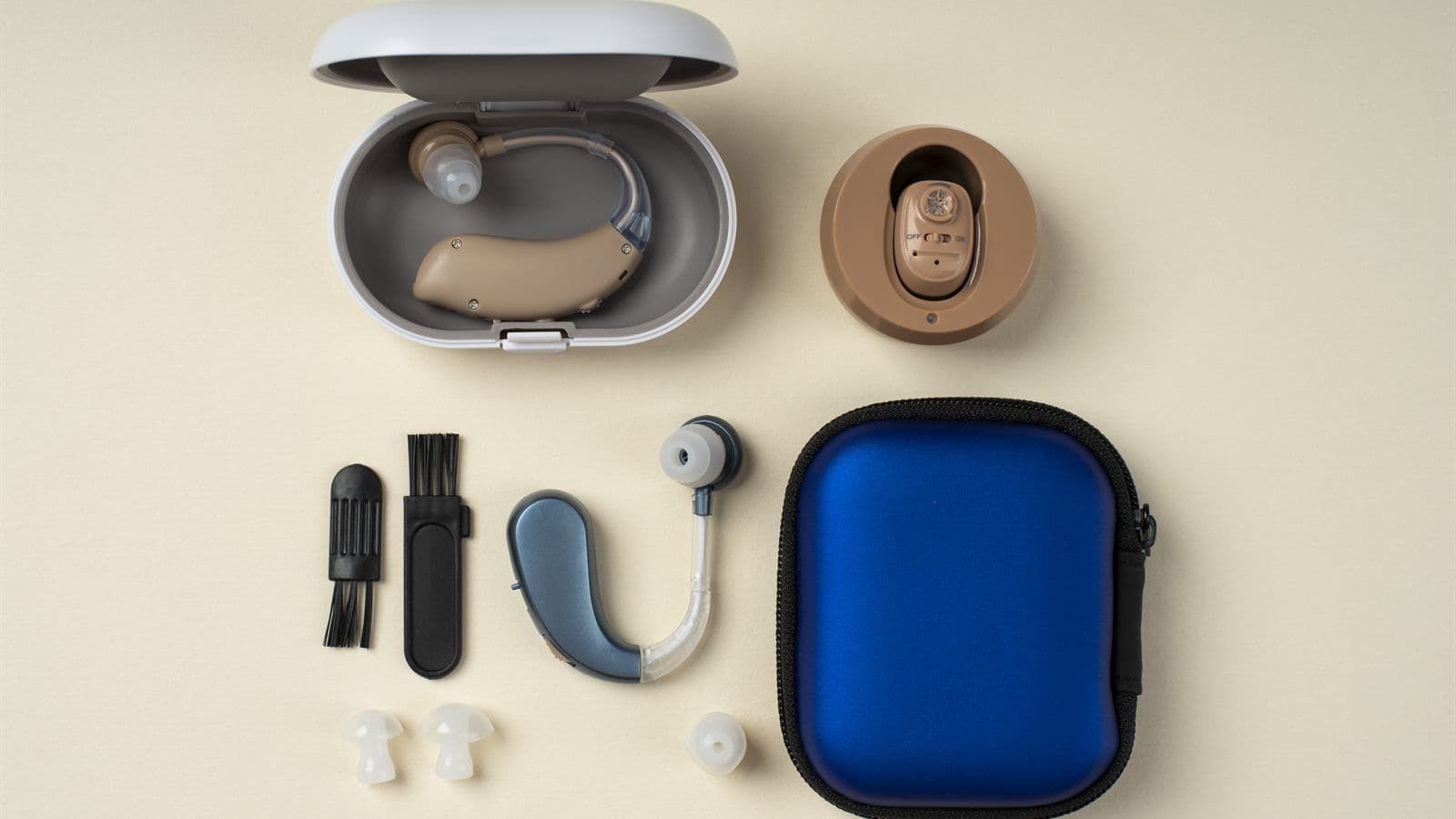
What to know before getting hearing aids is one of the most common questions from people who've just been told they could benefit from amplification, and it's a smart question to ask before you walk into a fitting. The short answer: hearing aids work, but they require patience, professional guidance, and a realistic understanding of what the first weeks will feel like. They are not instant fixes, and they are not all the same. What happens after the fitting matters as much as the device itself.
This guide covers what the process actually involves, not the technology specs or pricing, but the experience of becoming a hearing aid wearer for the first time.
Hearing Aids Do Not Work Like Glasses: Setting Realistic Expectations
This is the single most important thing first-time hearing aid users need to understand before they start.
When you put on a pair of glasses for the first time, your vision is clearer almost immediately. The correction is direct and instantaneous. Hearing aids work differently. They restore audibility, they make sound available to your ears again, but your brain then has to relearn how to use that sound.
If you've been living with untreated hearing loss for months or years, your brain has adapted to a quieter world. It's been filling in gaps, relying on context, and working harder than it should to understand speech. When hearing aids reintroduce sounds your brain hasn't processed in years, the hum of an air conditioner, the sound of your own footsteps, the particular quality of your own voice, those sounds can initially feel overwhelming, strange, or even unpleasant.
This is not a sign that the hearing aids are wrong for you. It is a normal part of the process of auditory relearning.
The Adjustment Period, and Why Your Brain Needs Time
Getting used to hearing aids takes time because what's happening is genuinely neurological. Research published in *Frontiers in Neuroscience* found that neural changes were observed as early as two weeks following the initial fitting of hearing aids, but certain cortical changes were not observed until 12 weeks of hearing aid use, suggesting that a longer period of exposure to amplified sound is required to fully integrate features of the signal.
In practical terms: most users adjust to hearing aids after about one month, with full adaptation typically occurring after three to four months. By this stage, wearing the devices feels natural, you stop thinking about them and start simply hearing with them.
The hearing aid adjustment period tends to follow a recognizable pattern:
Weeks 1–2: Everything sounds different. Your own voice may sound louder or odd. Background sounds you'd stopped noticing, refrigerators, traffic, keyboards, come back with unexpected clarity. Listening can feel tiring.
Weeks 3–4: Your brain begins to filter sounds more efficiently. The initial sensory novelty starts to settle. Speech in quiet environments becomes easier to follow.
Months 2–3: Noisy environments and complex listening situations become more manageable. Wearing the devices starts to feel like second nature.
What to expect with new hearing aids during this period: some days will feel more natural than others. That variability is normal. The key variable that determines how quickly adaptation happens is consistent daily wear, not pushing through discomfort, but building genuine exposure progressively.
Why the Fitting and Follow-Up Matter More Than the Device
The technology in a hearing aid matters. But the skill with which it is fitted to your specific audiogram, lifestyle, and listening environments, and the quality of follow-up care after the fitting, has a larger impact on outcomes than device specifications alone.
A properly conducted fitting involves programming the hearing aids to match the prescription derived from your hearing evaluation, verifying that the output of the devices is actually reaching the target levels in your ear canal, and counseling you on what to expect and how to build wear time progressively. It is not a one-appointment process.
Follow-up appointments are where fine-tuning happens. What sounds too sharp at week one may need a minor adjustment. What feels manageable in a quiet room may need refinement when you try it in a restaurant. These adjustments are normal, expected, and important, they are not a sign that something is wrong.
Learn about what a hearing evaluation and fitting involves at Singer Audiology →
Questions Worth Asking Before You Commit
Before moving forward with hearing aids, these are the questions worth raising:
What does the fitting process include? A thorough fitting involves real-ear measurement, a verification technique that confirms the hearing aids are delivering the right amount of amplification for your specific ear canal. Not all providers include this as standard.
What does follow-up look like? How many adjustment appointments are included? Over what period? Who do you contact if something feels wrong between appointments?
What is the trial period? Most reputable providers offer a trial period during which you can return the devices if they are not working for you. Know the terms before you commit.
What happens to my care over time? Hearing needs change. Devices need cleaning, maintenance, and periodic reprogramming. Long-term support is a meaningful part of the hearing aid experience, it's worth understanding what ongoing care looks like from the start.
Explore what to expect at Singer Audiology →
What a Good First Month Looks Like
A structured approach to the first month significantly improves outcomes. These are the practices that hearing care professionals consistently recommend:
Start in quiet environments. The first few days work best in low-noise settings, home, one-on-one conversations, familiar rooms. Let your brain catalogue sounds without the complexity of a restaurant or public space.
Build wear time gradually. Starting with a few hours a day and increasing progressively is better than attempting full-day wear immediately. Fatigue is real in the adjustment period and pushing through it without rest can slow adaptation.
Keep notes. Brief records of what sounds too loud, what is still hard to hear, and when you feel most fatigued give your audiologist specific information to work with at follow-up appointments. This is far more useful than "something doesn't feel right."
Don't compare your experience to someone else's. The adjustment timeline varies with how long hearing loss was present before treatment, the degree of loss, and individual neurological differences. Your timeline is your own.
Return for adjustments. The first programming is a starting point, not a final prescription. Plan on returning at least once or twice in the first month, and expect that fine-tuning is part of the process.
Caring for Your Hearing Aids Day to Day
Hearing aids are worn daily, often in varied environments. Basic maintenance protects their performance and lifespan:
Moisture is the primary risk. Remove hearing aids before showering, swimming, or using hairspray. Most devices are water-resistant but not waterproof. A dehumidifier case overnight extends device life considerably.
Earwax is the most common cause of performance issues. Clean the devices daily with the tools provided, a dry cloth and the appropriate brush or pick for your device type. Never insert anything into the sound opening.
Store them safely. When not being worn, keep them in their case, out of reach of children and pets. Hearing aids are small, high-value, and attractive to dogs in particular.
Change batteries or charge consistently. Know your device's power system and build a routine around it. Running out of power mid-day is avoidable.
Learn more about hearing aids and what the fitting process involves at Singer Audiology →
*The first step is knowing what you're walking into, and now you do.*
Singer Audiology offers comprehensive hearing aid evaluations, fittings, and long-term follow-up care for patients in Midtown Manhattan. If you've been told you could benefit from hearing aids and want to understand what that actually involves before committing, we're here to walk you through it without pressure.
Request an appointment → Call: 212-914-4327