Best Hearing Aids in 2026: How to Compare Four New Models
Phonak, Oticon, Starkey, and ReSound introduced new hearing-aid technology in 2026. Compare their features, limits, and the fitting questions that matter before you choose.

The best hearing aid for you depends on your hearing, comfort, daily routine, and budget. In 2026, Phonak, Oticon, Starkey, and ReSound introduced new models with advances in sound processing, connectivity, and style. A hearing evaluation and your listening goals can help you decide which features to try.
If you are considering hearing aids, request an appointment with Singer Audiology to discuss your options.
Four New Hearing-Aid Families in 2026
Phonak Audéo EON Sphere
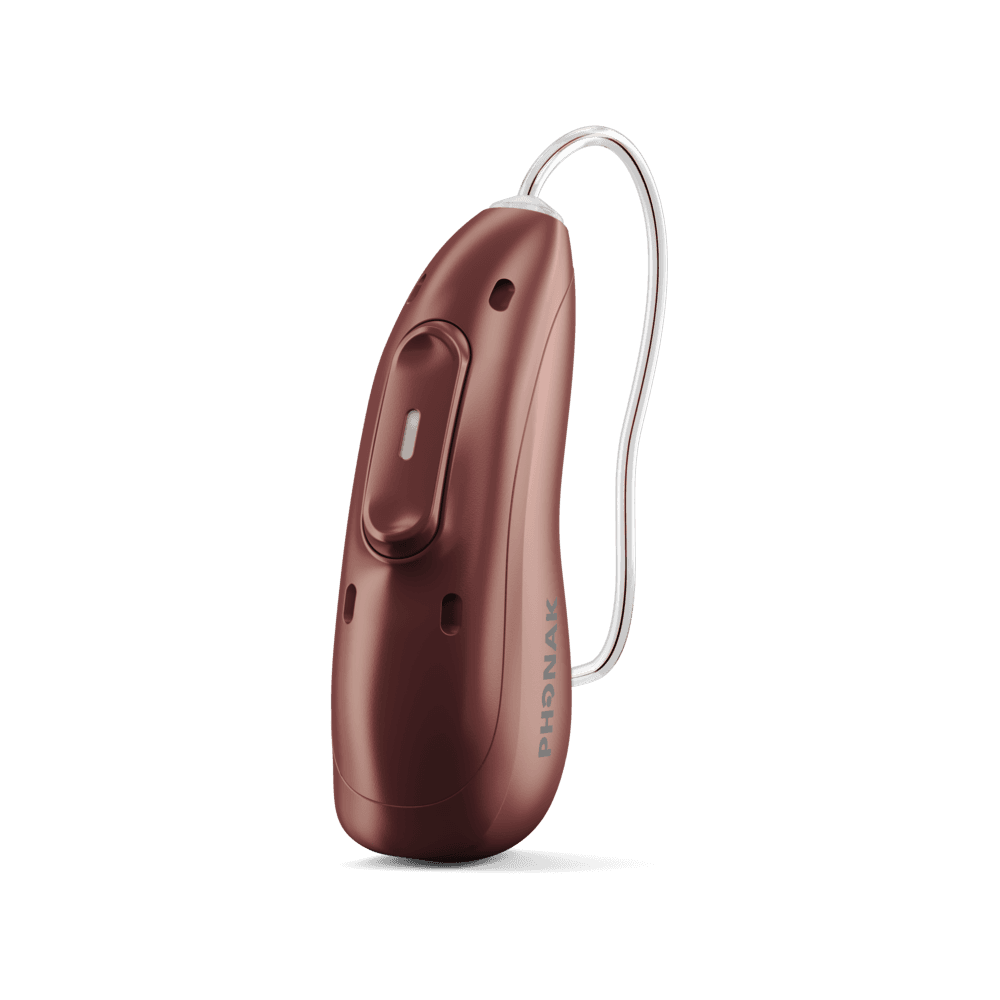
Photo: Phonak.
Phonak introduced the EON platform in August 2026. Audéo EON Sphere is a rechargeable receiver-in-canal model.
New features include:
- HYPERSONIC AI chip, Spheric Speech Clarity 3.0, and AutoSense OS AI 8.0.
- Bluetooth streaming and Auracast access in supported spaces and with compatible devices.
- EasyGuard domes that help keep earwax from reaching the receiver.
- A design Phonak reports is 25% smaller and 20% lighter than the previous Sphere generation.
- Up to 38 hours of battery life, depending on settings and use.
Oticon Reveal
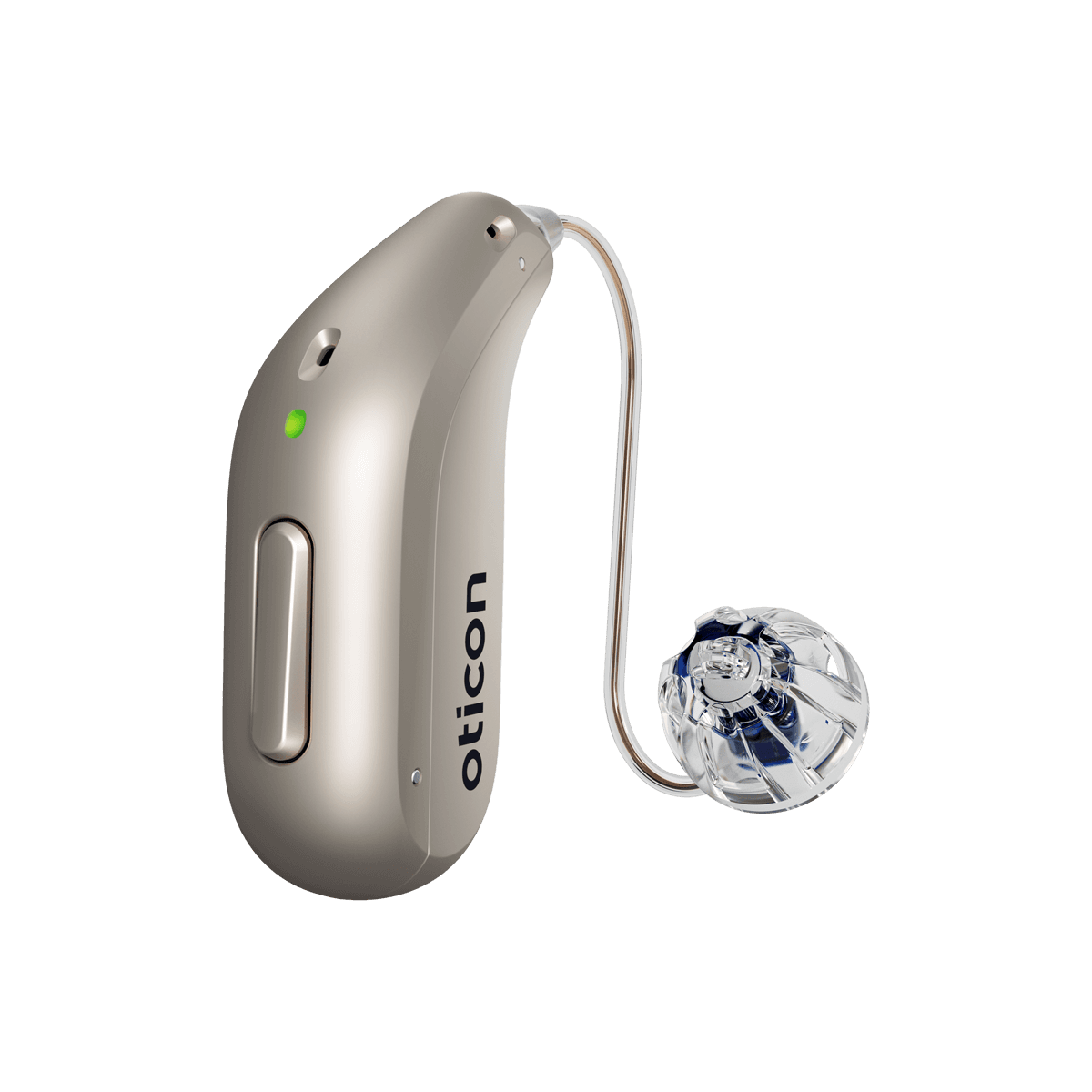
Photo: Oticon.
Oticon introduced Reveal in August 2026. New features include:
- Dual AI pairs Speech AI with Context AI to process speech and surrounding sounds.
- 4D Sensor technology, which Oticon says adapts to the wearer’s listening intent.
- Wind & Handling Stabilizer 2.0, with up to 40 dB attenuation of wind and handling noise.
- Rechargeable miniRITE styles with Bluetooth LE Audio and Auracast support.
Starkey Omega AI+
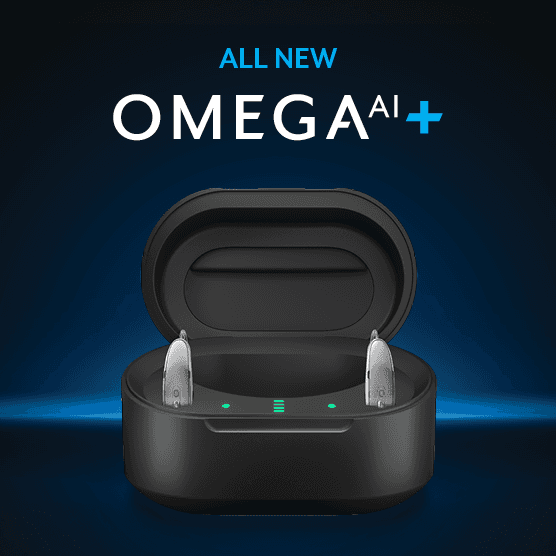
Photo: StarkeyPro.
Starkey announced Omega AI+ in October 2026. New features include:
- G4 Gen AI Neuro Processor and Quad DNN architecture with four deep neural networks.
- DNN Dual Compressor, which uses faster compression for speech and slower compression for sound quality.
- Edge Mode configured to default on in Memory 1.
- Expanded rechargeable custom ITC/ITE and non-wireless custom styles; selected styles include DNN 360.
- Bluetooth LE Audio, Auracast access, StarLink Charger 3.0, and Sleep Quality Tracking for RIC wearers.
- Up to 51 hours of battery life, depending on style and use.
ReSound Sensia
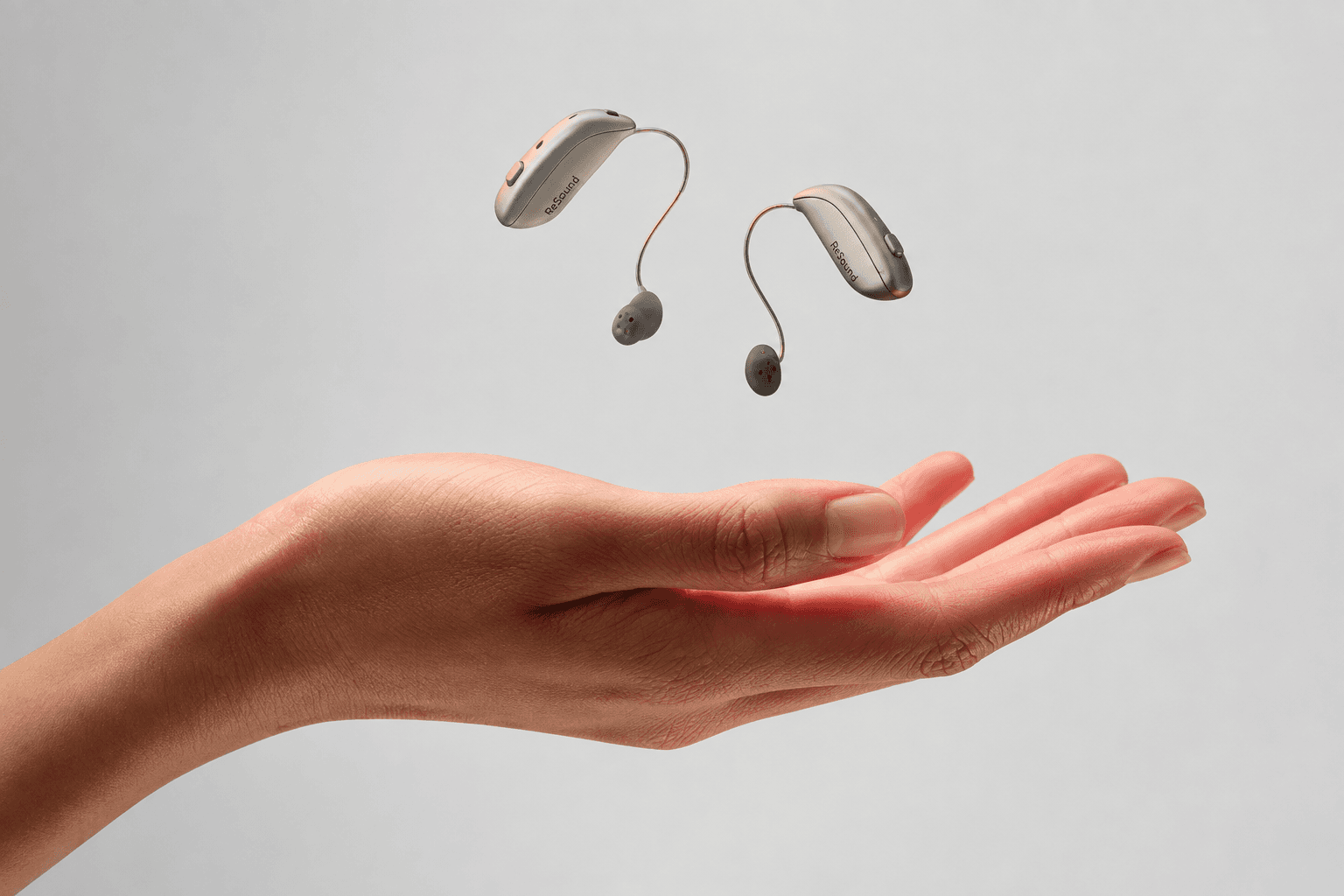
Photo: ReSound.
GN introduced ReSound Sensia in August 2026. New features include:
- Intelligent All-Around, combining AcoustIQ environment classification, four-microphone beamforming, and deep neural network noise reduction. It is available on microRIE at Technology Level 9.
- Bluetooth LE Audio and Auracast support on compatible configurations.
- Rechargeable microRIE, RIE, and custom ITE, ITC, and CIC styles, with rechargeable and disposable-battery options.
Want help deciding which features fit your hearing and routine? Request an appointment with Singer Audiology to review these models.
Choose What Fits Your Hearing and Routine
Hearing-aid selection starts with a hearing evaluation. The type and degree of hearing loss, your comfort, and the situations you want help with shape the choice. The National Institute on Deafness and Other Communication Disorders recommends asking about trial periods, warranties, maintenance, and follow-up care.
The American Speech-Language-Hearing Association’s guidance covers communication needs, comfort, fit, verification, and follow-up. It identifies real-ear measures as the gold standard for checking hearing-aid output in the wearer’s ear.
Next, describe the situations that matter to you. A one-to-one conversation, a work call, a restaurant, and an outdoor walk place different demands on a hearing aid. Tell the professional where you struggle, what you want to hear more easily, and which sounds you still need to notice.
Compare more than sound-processing labels:
- Fit and handling: Ask how each style sits on your ear, how easy it is to insert and clean, and whether you can manage its buttons, charger, or battery.
- Phone and accessory compatibility: Bring your phone model. Ask about calls, streaming, the manufacturer’s app, TV accessories, and access to Auracast broadcasts where they are available.
- Comfort and wear time: A technically advanced device is not useful if it is uncomfortable or difficult to use every day.
- Total cost and support: Ask for an itemized price and confirm what it includes. Review trial or return terms, warranty coverage, follow-up adjustments, maintenance, and repair costs. NIDCD recommends asking about these details before buying.
When possible, try suitable models in the situations where listening is difficult. A follow-up visit can help adjust the fit and settings as you get used to your hearing aids.
Questions to Ask Before You Choose
Bring these questions to a hearing-aid consultation:
- Which styles and technology levels fit my hearing evaluation and ear shape?
- Which features address the situations I described, and which are only available in certain styles or tiers?
- Will these hearing aids work with my phone and the accessories I use?
- What does the total price include, and what are the trial, warranty, follow-up, and repair terms?
- Will the fitting include real-ear measurement, and how will we adjust the settings if speech remains difficult in a restaurant or at work?
For more on the fitting process, read what to know before getting your first pair of hearing aids. For a broader look at recent changes, see how hearing-aid technology has changed over the last decade.
Bring your questions to an appointment with Singer Audiology.
Match the Hearing Aid to Your Goals
The newest model is not automatically the best choice for you. A useful comparison starts with your hearing evaluation, then weighs comfort, listening goals, compatibility, and the support available after fitting.
Learn about hearing-aid evaluations and fittings at Singer Audiology, or request an appointment with Singer Audiology to discuss your hearing goals.
Sources
- National Institute on Deafness and Other Communication Disorders. Hearing Aids.
- American Speech-Language-Hearing Association. Hearing Aids for Adults. Practice Portal.
- Sonova. New EON hearing aid portfolio strengthens Phonak’s leadership in speech understanding, scene intelligence and Made-For-All connectivity. August 24, 2026.
- Phonak. Audéo EON Sphere product information.
- Oticon. Introducing Oticon Reveal. August 12, 2026.
- Oticon. Reveal hearing aids product information.
- Starkey. Introduction of Omega AI+. October 1, 2026.
- StarkeyPro. Omega AI+ product information.
- GN/ReSound. New ReSound Sensia hearing aids. August 10, 2026.
- ReSound. Sensia product information.