
Safe cerumen removal when earwax gets in the way.
When earwax affects hearing, comfort, testing, impressions, or hearing aid performance, careful removal helps restore a clear path for sound and care.
Request an appointment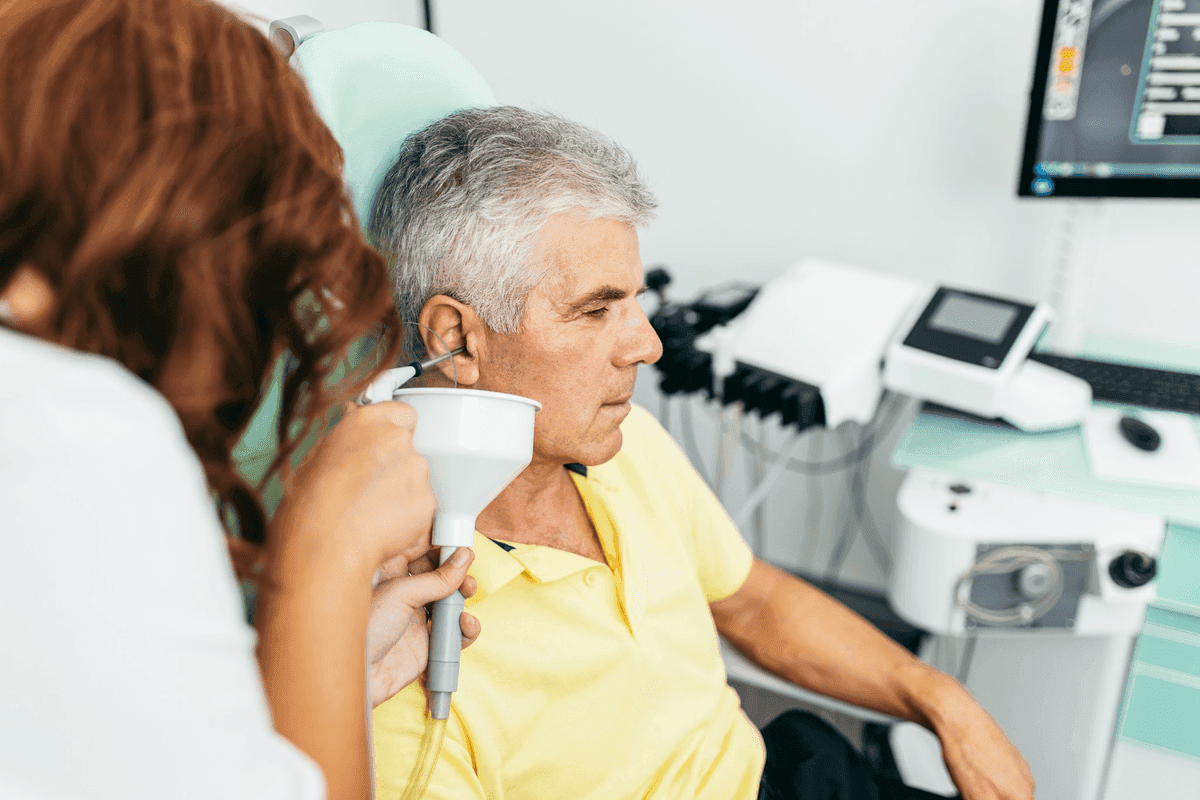
Earwax removal in Midtown Manhattan.
Singer Audiology offers professional earwax removal at 155 East 55th Street, Suite 202 in Midtown East. Appointments are scheduled in advance, the canal is examined before any removal takes place, and the visit is structured around what is actually needed.
Your doctor
You are in expert hands.
Dr. Michelle Singer is a Doctor of Audiology who trained at New York Eye and Ear Infirmary at Mount Sinai. When earwax is affecting hearing, comfort, or hearing aid performance, she is the right person to see.
Earwax is normal, protective, and usually self-cleaning.
Cerumen, commonly known as earwax, is a natural substance produced by glands in the ear canal. In most people, the ears gradually move earwax out on their own. When buildup does become a problem, we offer professional earwax removal at our Midtown Manhattan office.
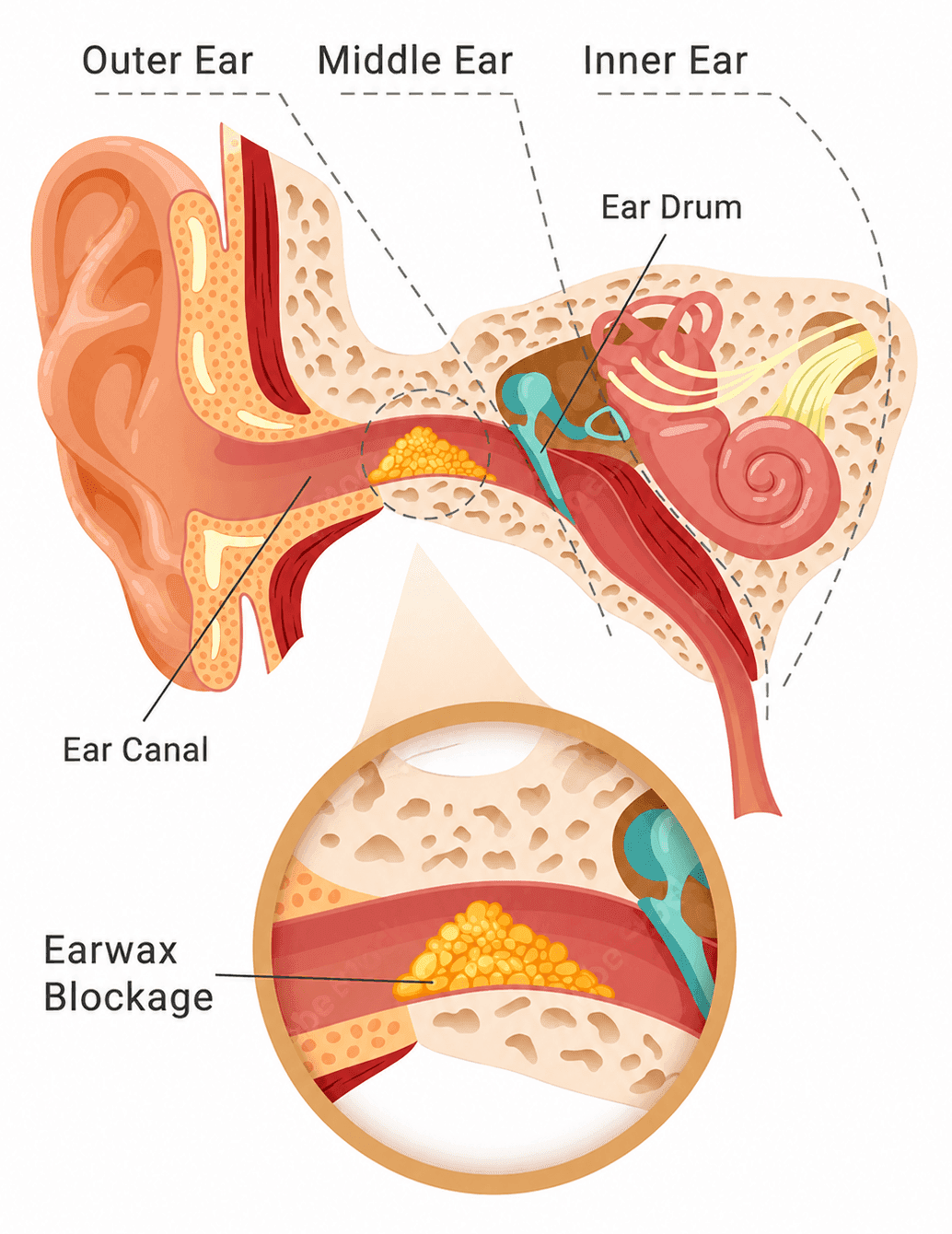
Some people naturally produce more earwax than others.
Earwax production varies significantly. Some patients require periodic professional removal throughout life, even with excellent ear hygiene.
Who should remove your earwax.
Earwax removal can be performed by a primary care physician, an ENT, or an audiologist. The difference with an audiologist is that the canal exam, the removal, and a hearing assessment all happen in the same appointment.
Why an audiologist
Dr. Michelle Singer examines the canal, removes the cerumen, and can evaluate whether any hearing changes are linked to the buildup, without a separate visit. For patients with hearing concerns, that matters.
What to avoid
Ear candling and non-medical ear cleaning services are not safe. Ear candling has no clinical evidence behind it and carries a genuine risk of injury. A qualified earwax removal doctor is the right starting point.
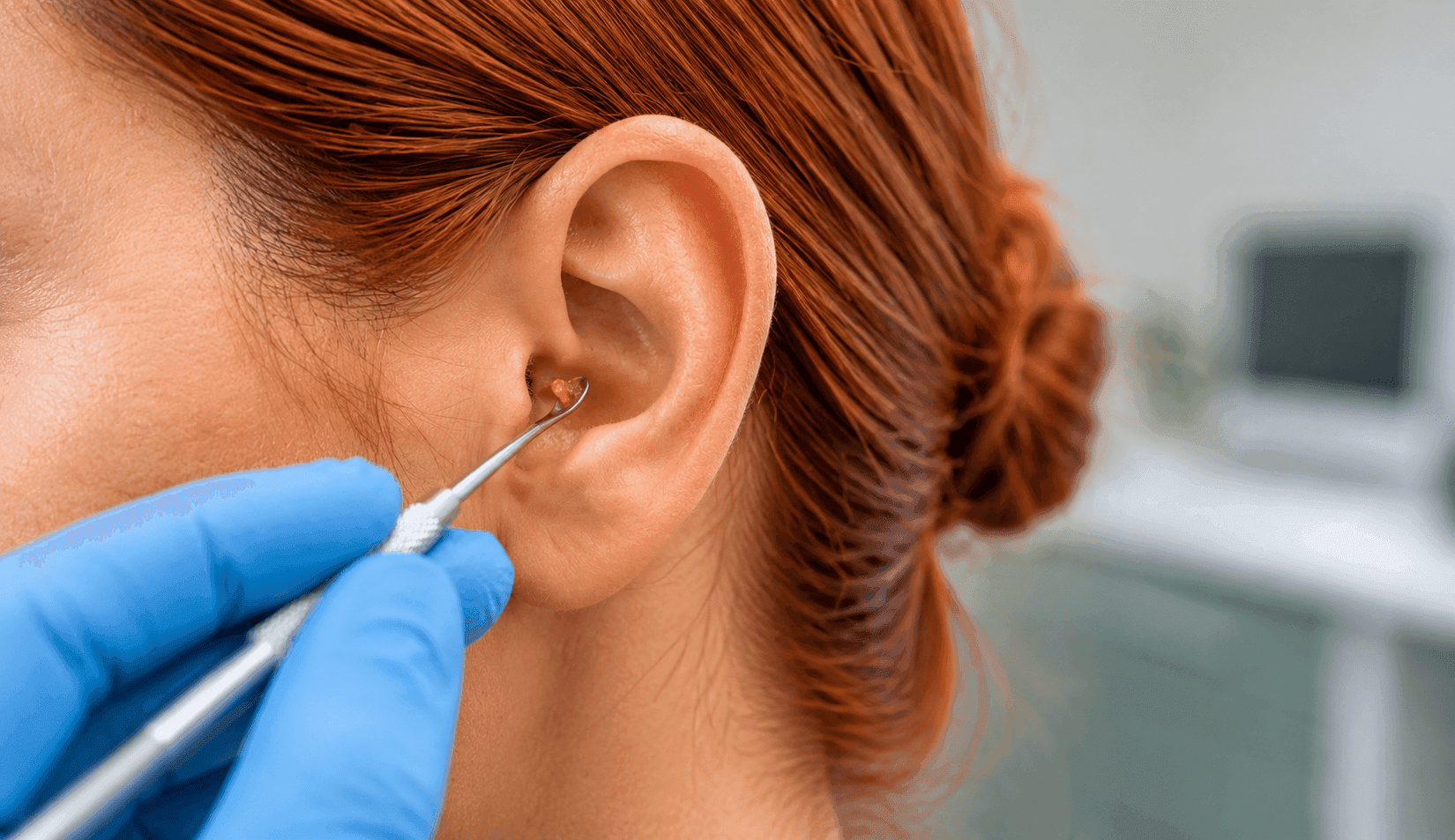
The right method depends on the earwax and your ear.
There is no single best method for every patient. The appropriate technique depends on the amount, location, and consistency of the earwax, along with your ear health history.
Instrument removal
Specialized tools may be used to gently remove earwax under direct visualization.
Microsuction
A small medical suction device can remove earwax from the ear canal when appropriate.
Irrigation
In some cases, warm water irrigation may be used to flush softened earwax from the canal.
Cerumenolytic (earwax-softening) drops
If earwax is too hard or impacted to remove comfortably during an initial visit, a softening agent such as Debrox® may be recommended for several days before returning for removal.
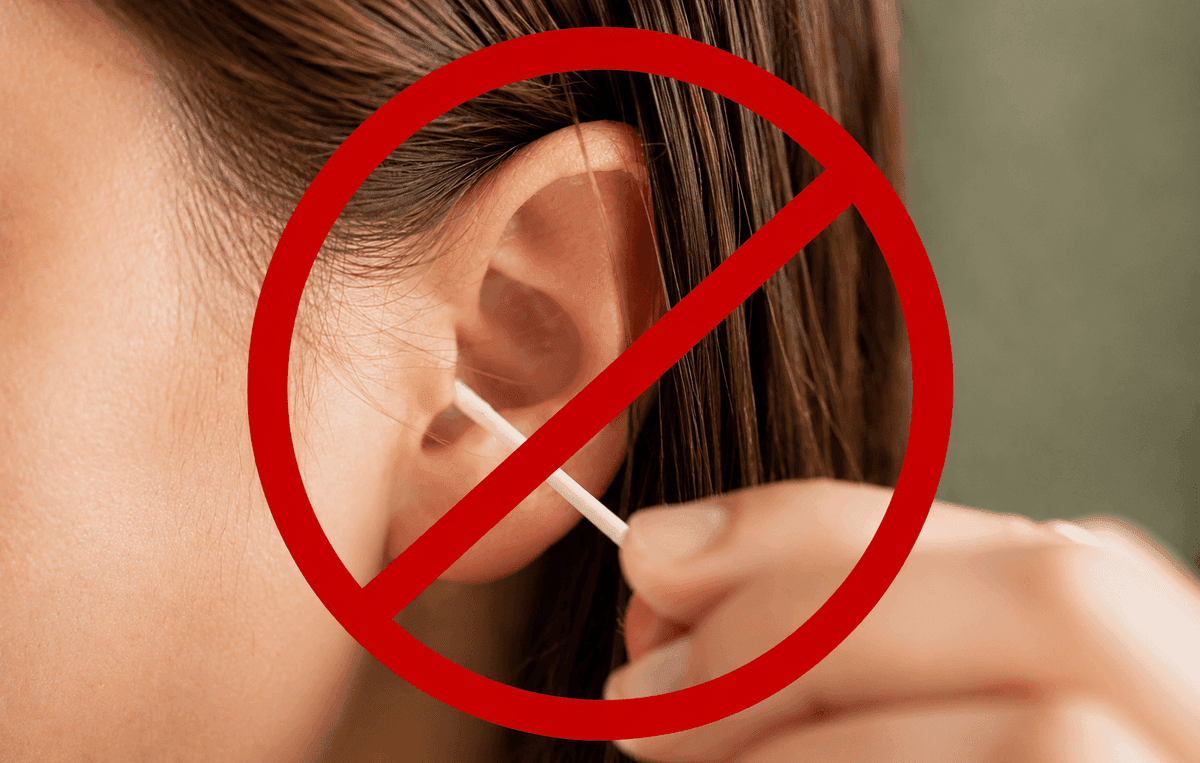
Do not use cotton swabs or objects inside the ear canal.
Cotton swabs (Q-tips®), hairpins, and similar objects often push earwax deeper into the ear canal. They can increase the risk of impaction, irritation, infection, or eardrum injury.
As a general rule, never place anything smaller than your elbow into your ear canal.
What to expect during cerumen removal.
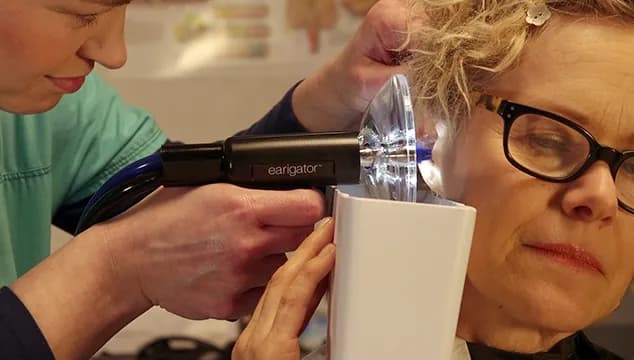
Cerumen removal starts with a careful look inside the ear, then a removal plan based on what is safe and appropriate for your ear canal.
Ear exam
Your audiologist examines your ears with specialized equipment to locate the cerumen and understand the safest approach.
Same-visit removal when appropriate
Most cerumen removals are quick, well tolerated, and completed during the same visit.
Softening treatment if needed
If earwax is extremely hard, deep, or impacted, softening treatment may be recommended before full removal.
What the cerumen removal procedure actually involves.
During the appointment
Most appointments run 15 to 30 minutes. Patients typically feel mild pressure or gentle movement in the canal. Many notice their hearing improve almost immediately as the blockage clears.
Afterward
Sounds may seem slightly louder or sharper than usual. That is normal and settles quickly. Most patients leave hearing noticeably better than when they arrived.
For chronic producers
Some patients need removal every few months. Dr. Singer advises on the right interval through long-term support appointments, based on how quickly buildup returns and whether hearing aids are involved.
Singer Audiology proudly uses the Earigator™ by Nupurtech for cerumen removal.
Schedule a visit when earwax starts affecting daily life.
Keeping the ear canals clear helps support accurate hearing testing, hearing aid performance, and overall ear health.
Consider scheduling if
- Sudden or gradual hearing changes
- A blocked or full feeling in the ear
- Hearing aids that seem less effective than usual
- Frequent earwax buildup
- Tinnitus or increased ringing
- The need for custom earmolds, hearing protection, or hearing aids
What cerumen removal costs and what insurance covers.
What affects the cost
Cost depends on whether one or both ears need treatment, the degree of impaction, and whether a softening visit is needed first. A straightforward single-visit removal costs less than a multi-appointment case.
Insurance
Coverage varies by plan. Some plans cover cerumen removal when clinically indicated. Checking with your provider before the appointment is worth doing, and pricing can be confirmed by calling 212-914-4327.
Frequently asked questions
Keep your ears clear without risking injury.
If earwax buildup is affecting hearing, comfort, or device performance, schedule a visit for professional guidance and removal when appropriate.
Request an appointment

Start your journey to better hearing today by requesting a consultation. Share the days and time of day that usually work best for you. After you submit the form, someone from our clinic will reach out to confirm your appointment.
Prefer to schedule by phone?
Call 212-914-4327