
Hearing loss is often preventable.
Custom hearing protection, screenings, and conservation education help preserve your hearing before loud sound causes permanent damage.
Request an appointment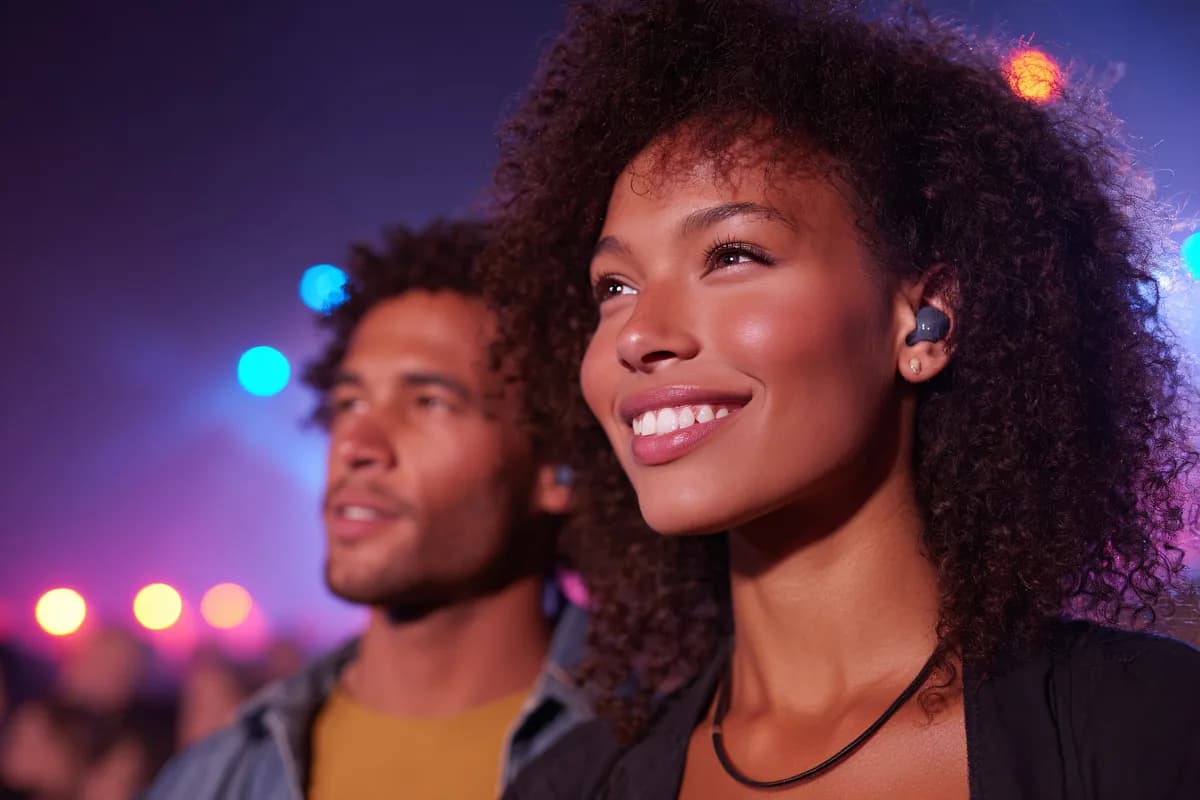
Custom hearing protection in Midtown Manhattan.
Patients looking for custom earplugs in Manhattan can be fitted at Singer Audiology at 155 East 55th Street, Suite 202 in Midtown East. The office is convenient for musicians, hospitality workers, construction staff, and anyone who needs reliable hearing protection without traveling far. Ear impressions are taken in-office, the canal is examined first, and the right device is selected based on the activity and noise exposure involved.
Your doctor
You are in expert hands.
Dr. Michelle Singer is a Doctor of Audiology who trained at New York Eye and Ear Infirmary at Mount Sinai. She takes every ear impression herself, advises on the right device and filter level for each patient's specific activities, and follows up to make sure the fit holds up over time.
Anyone exposed to loud sound should consider protection.
Whether exposure happens daily or only occasionally, protecting your hearing now can help preserve it for years to come.
Ringing after loud sound is a warning sign.
If you have ever left a concert, club, wedding, sporting event, or loud workplace with ringing ears or muffled hearing, your hearing was exposed to more sound than it could comfortably tolerate.
This is known as a temporary threshold shift (TTS), which can happen when loud sound overstimulates the delicate structures of the inner ear.
Symptoms may include
- Ringing or buzzing in the ears
- Muffled hearing
- Difficulty understanding speech
- A sensation that your ears are plugged
Hearing often recovers after several hours or days. However, repeated temporary threshold shifts can eventually become permanent threshold shifts (PTS), which means permanent hearing loss that cannot be reversed.
The more frequently your ears are exposed to damaging noise levels, the greater the risk of permanent hearing damage and chronic tinnitus.
Noise damage depends on volume and time.
As sounds become louder, the amount of time you can safely listen decreases dramatically.
The 60/60 rule
Personal listening devices are one of the most common sources of noise exposure among teens and young adults, so a good guideline is to listen at no more than 60% of maximum volume for no more than 60 minutes at a time. If someone standing next to you can hear your headphones, the volume is likely too high.
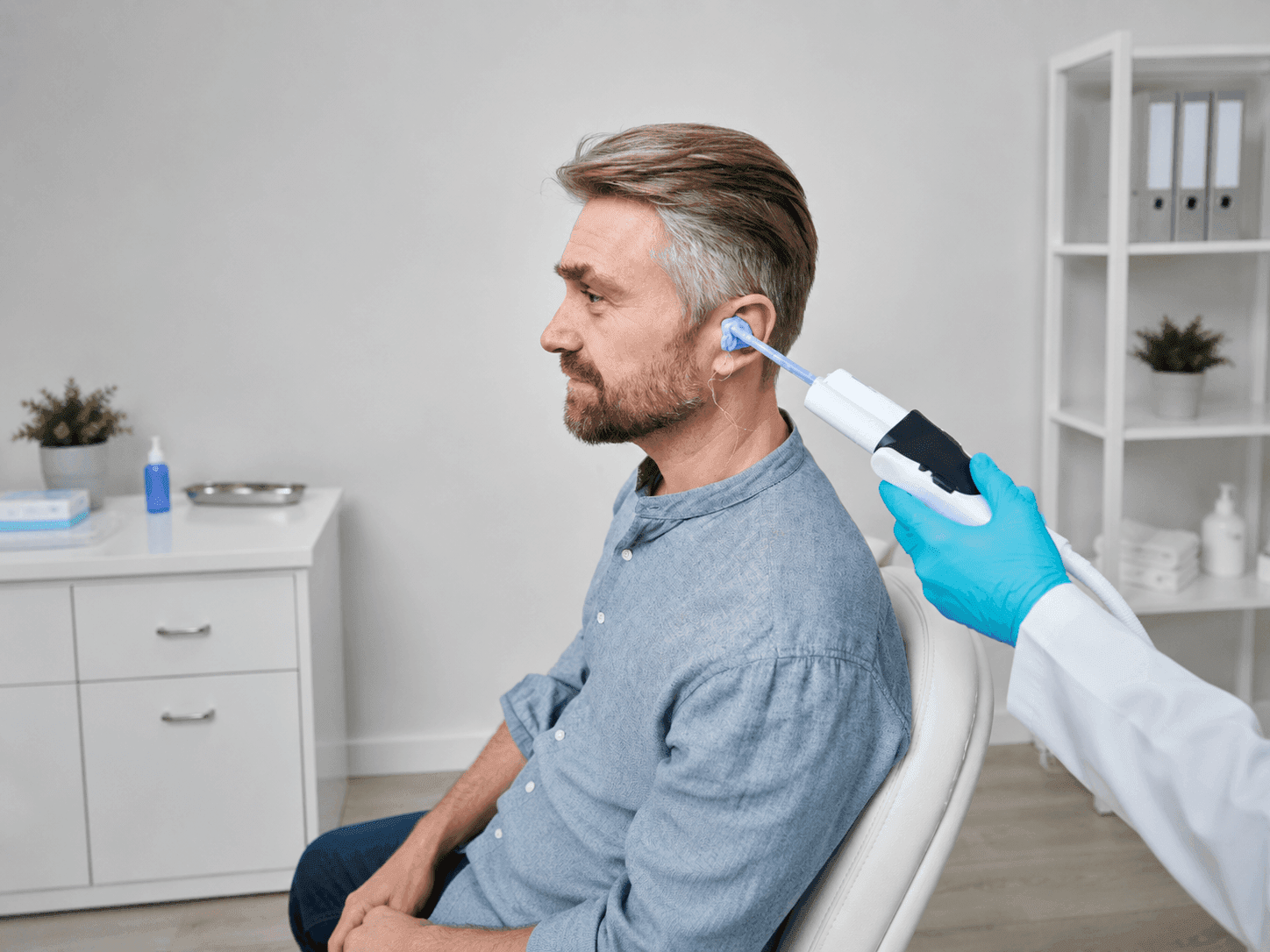
Custom devices are made for your ears and your life.
Foam earplugs can be effective, but they may be uncomfortable, fall out, or provide inconsistent protection. Custom devices are made from impressions of your ears for a comfortable fit and reliable protection.
Music and events
Musician earplugs, concert and festival earplugs, custom in-ear monitor molds
Work and noise
Industrial hearing protection, occupational hearing protection
Recreation
Hunting and shooting protection, motorcycle earplugs
Comfort and water
Sleep plugs, swim molds
How custom earplugs are made.
The impression appointment
Dr. Singer begins by checking that the ear canal is clear. Earwax buildup can affect the accuracy of an impression, so removal is recommended beforehand if needed. Once the canal is clear, a soft material is placed in each ear and left to set for a few minutes. The process is quick and comfortable for most patients.
Turnaround and fit
Finished devices typically arrive within one to two weeks. At the fitting appointment, Dr. Singer checks the fit and reviews how to use and care for the devices. Custom earplugs last several years with proper care and can often be refitted rather than replaced if the ear canal changes over time.
Caring for your devices
Wipe devices down after each use with a clean, dry cloth. Keep them in their case when not in use and away from heat. Bring them to any follow-up appointment so the condition and fit can be checked.
Understanding filters and noise reduction.
How filters work
Musician earplugs use interchangeable filters that reduce sound by a set number of decibels across frequencies. A lighter filter suits rehearsals or quieter venues. A stronger filter suits loud live performances or prolonged exposure. The right filter depends on the activity and how long exposure lasts.
Flat attenuation
Musician earplugs are designed to reduce sound evenly across frequencies, which keeps the balance of music and speech intact. The sound is quieter but remains clear. Foam earplugs reduce different frequencies by different amounts, which can affect how sound is perceived. The right choice depends on the situation, and Dr. Singer can advise based on the specific activity.
Choosing the right level
For patients who perform and also attend loud events, a device with interchangeable filters covers both. Dr. Singer reviews the noise levels involved, how often exposure occurs, and whether the device needs to work across multiple settings.
Protecting your hearing starts with knowing where it stands.
Hearing screenings and comprehensive evaluations can establish a baseline and monitor changes over time. Early detection allows for earlier intervention and better long-term outcomes.
Regular testing is especially important if you
- Work in noisy environments
- Participate in music or performance industries
- Frequently attend concerts or sporting events
- Use personal listening devices regularly
- Have concerns about tinnitus or hearing changes
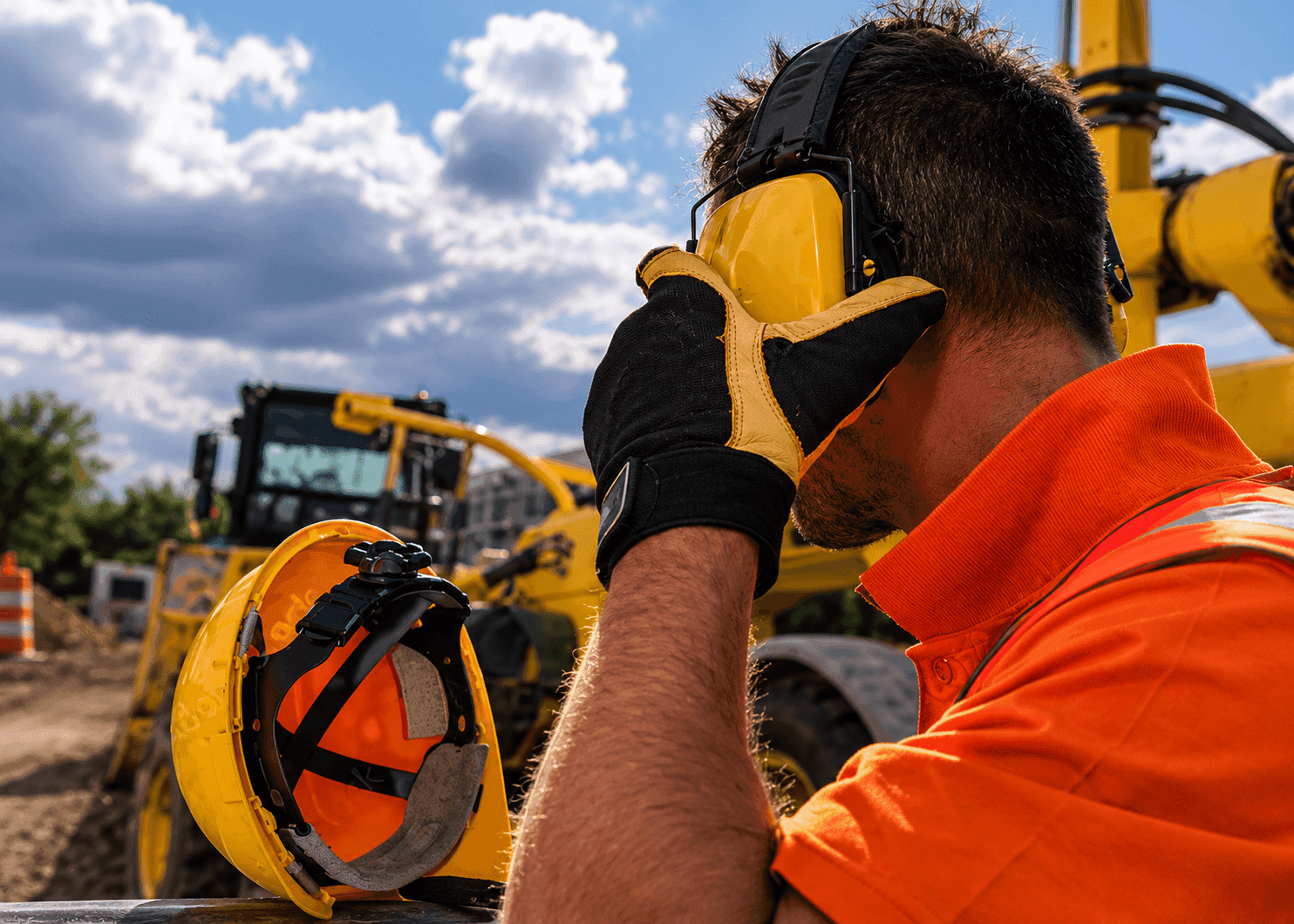
Hearing conservation for NYC businesses and organizations.
Singer Audiology can partner with businesses and organizations to promote hearing health and protect employees from occupational noise exposure.
- Hearing conservation presentations and educational talks
- Employee hearing screenings
- Workplace hearing health programs
- OSHA hearing conservation guidance
- On-site ear impressions for custom hearing protection
- Group fittings for employees
- Hearing protection solutions for special events and festivals
For larger organizations, we can often come directly to your workplace, facility, or event location to take ear impressions and help employees obtain custom hearing protection with minimal disruption to operations.
What custom hearing protection costs.
What affects the cost
Custom earplug cost depends on the device type, whether filters are included and how many, and whether more than one pair is needed for different activities. Music devices with interchangeable filters cost more than basic sleep or swim molds. Industrial devices vary depending on the protection level required.
Insurance and payment
Custom hearing protection is not typically covered by insurance. FSA and HSA funds can generally be used. Pricing can be confirmed by calling 212-914-4327 before the appointment.
A note on value
Custom devices are built to last several years. For patients regularly exposed to loud sound, the cost spreads across a long period of reliable protection.
Frequently asked questions
Protect your hearing before it changes.
Request an appointment to learn more about hearing screenings, custom hearing protection, workplace hearing conservation, and hearing health education.
Request an appointmentHearing health
Related reading
Loud concerts, commutes, and headphones add up. Learn how noise damages hearing and how custom protection keeps your ears safe.
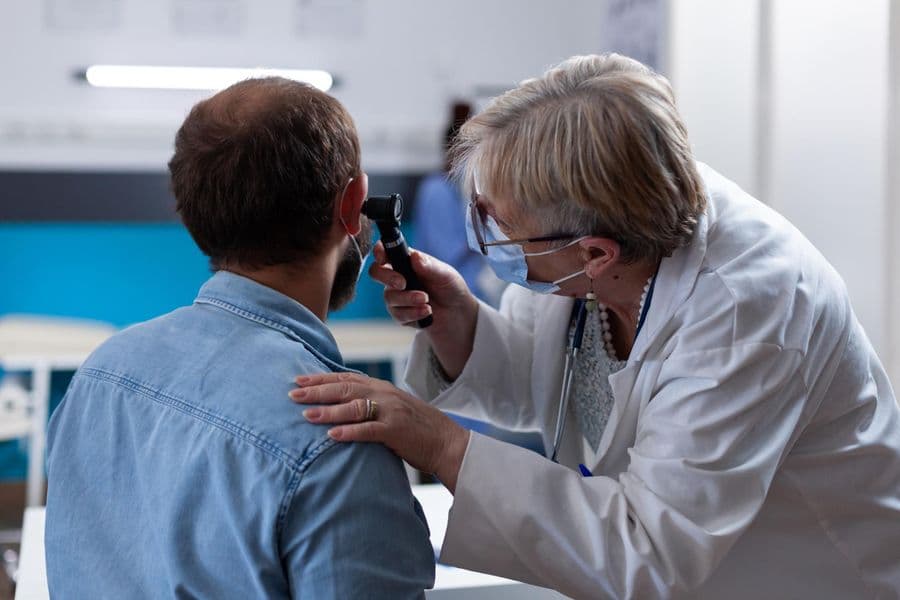
Learn why occupational hearing tests matter for workplace safety and compliance. Discover what to expect, how evaluations work, and employee hearing rights.
Start your journey to better hearing today by requesting a consultation. Share the days and time of day that usually work best for you. After you submit the form, someone from our clinic will reach out to confirm your appointment.
Prefer to schedule by phone?
Call 212-914-4327