
Hearing aid options matched to your life.
The right hearing aid depends on your hearing, your ears, your daily routines, and the features that matter most to you.
Personalized recommendations. Clear pricing. Devices fit around your needs.
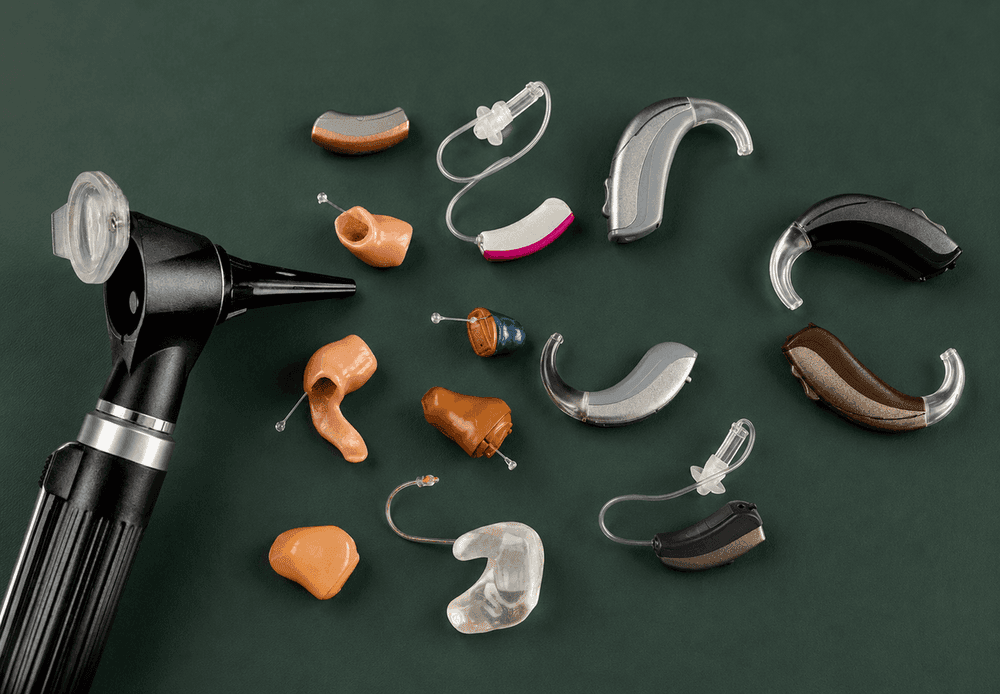
The best hearing aid is not the same for everyone.
Hearing aids are not chosen from a shelf. The right option depends on the hearing loss we measure, the shape of your ear, the places where you listen, and how you want the device to feel in daily life.
Hand and finger dexterity matters too. Very small devices, batteries, domes, charging cases, and controls are easier for some people than others, so comfort and usability shape the recommendation.
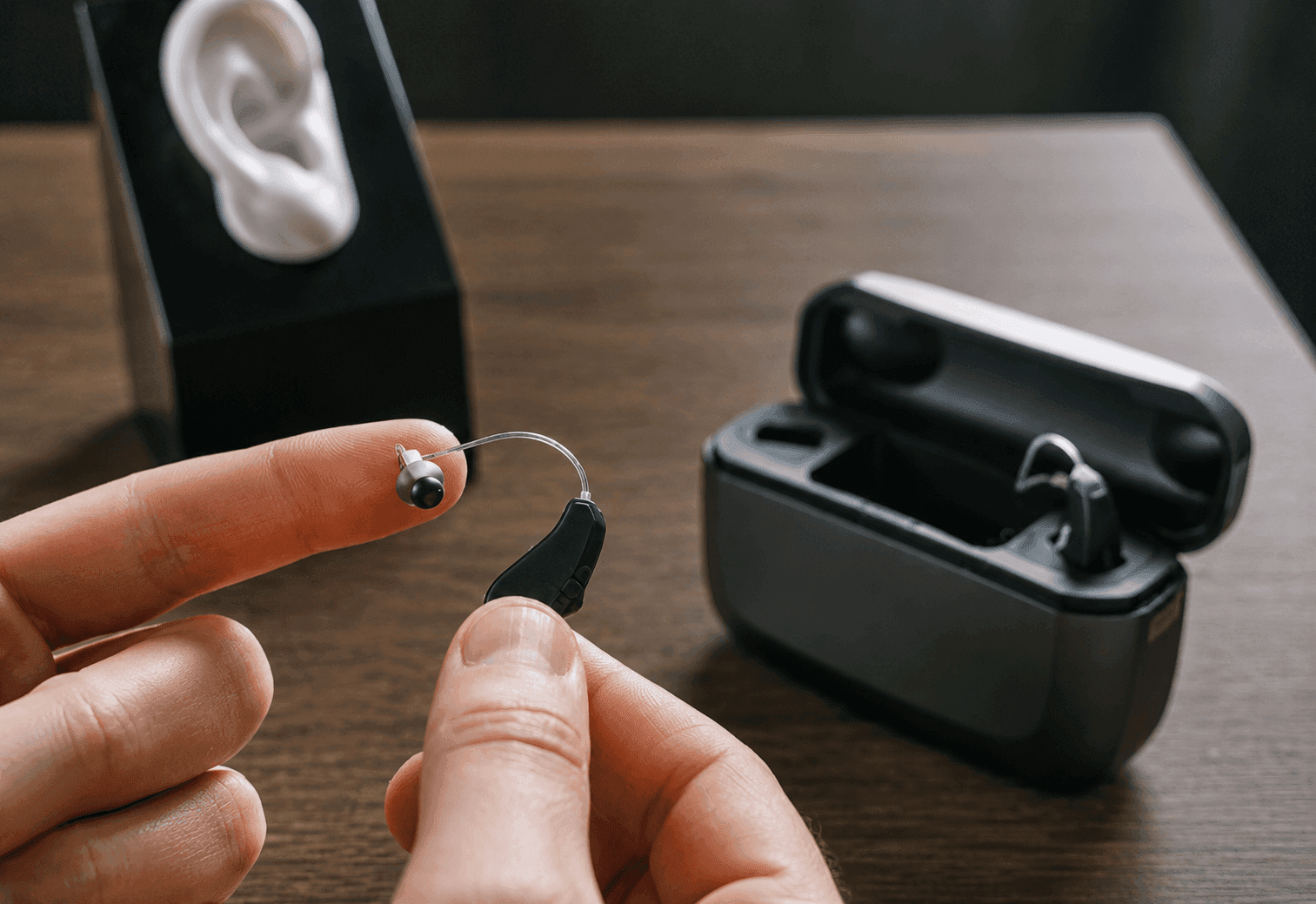
We work with most major hearing aid manufacturers.
We fit devices from a broad range of manufacturers and recommend technology based on your hearing profile, listening needs, and daily routines.





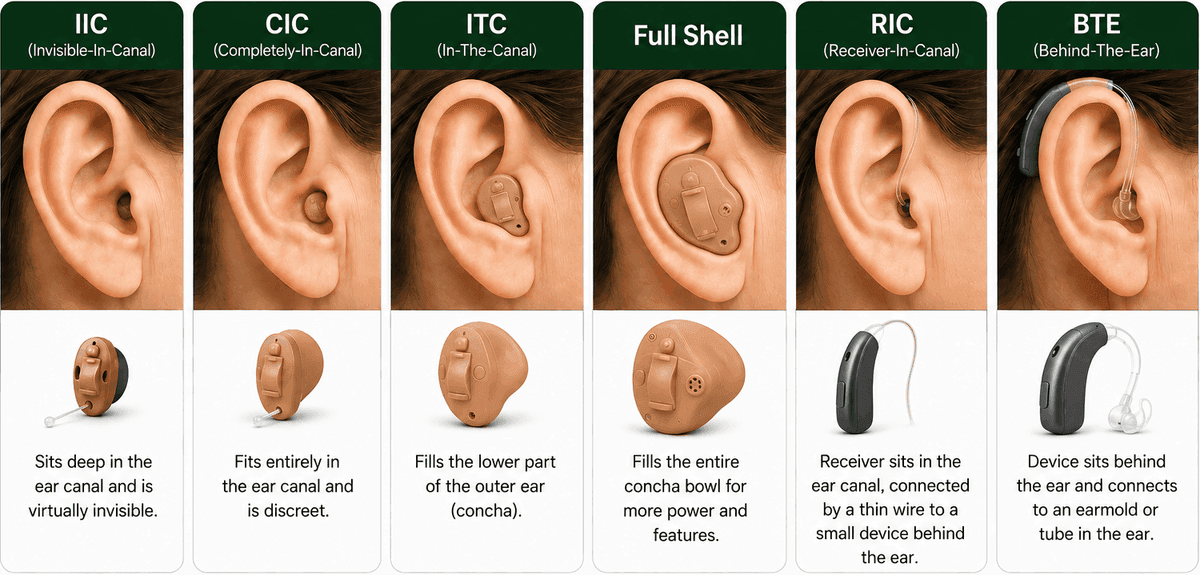
Understanding hearing aid styles
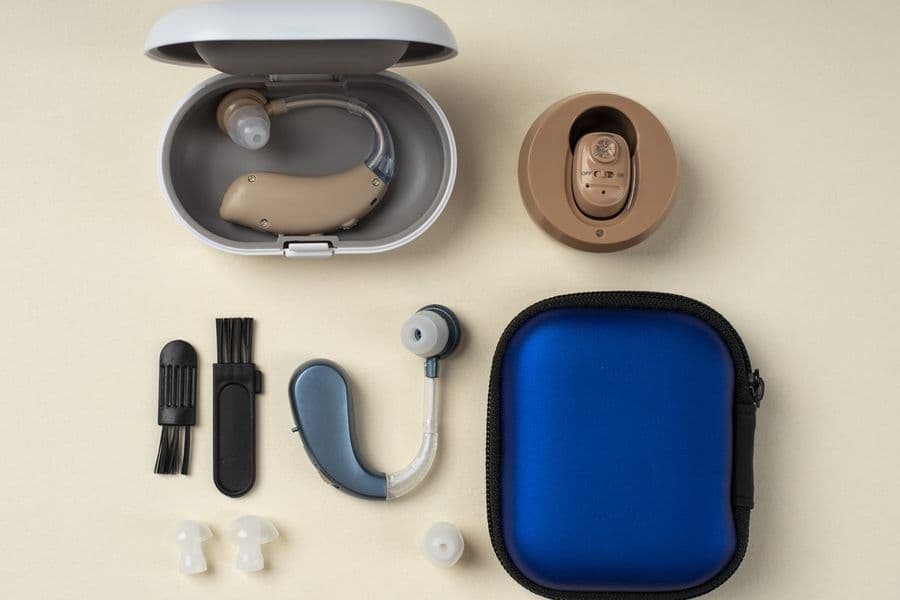
Hearing aids are typically grouped into two broad categories: devices worn in the ear and devices worn behind the ear.
Options become clearer after your evaluation.
After a full hearing evaluation, you will learn which hearing device options are best suited to your hearing profile, lifestyle, and goals. Pricing is reviewed after the evaluation, once we understand what level of technology and support makes sense for you.
CROS and BiCROS hearing aid systems
These specialized hearing aid systems are designed for individuals with asymmetrical hearing profiles or single-sided deafness.
Contralateral Routing of Signals
Bilateral Contralateral Routing of Signals
Modern hearing aid features can do more than amplify sound.
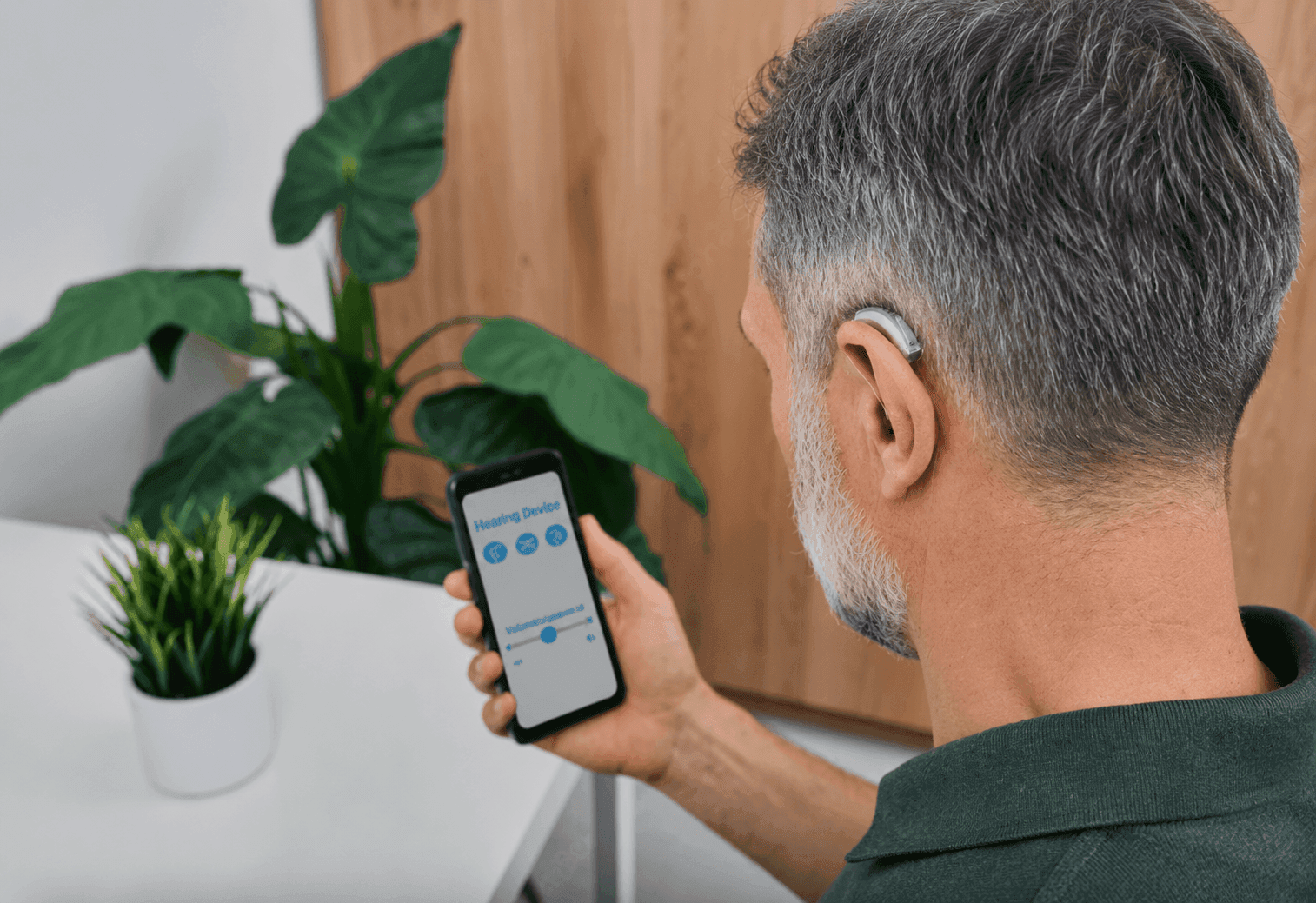
Today's hearing aids may include features that support convenience, connection, wellness, and daily listening comfort.
What if hearing aids are not enough?
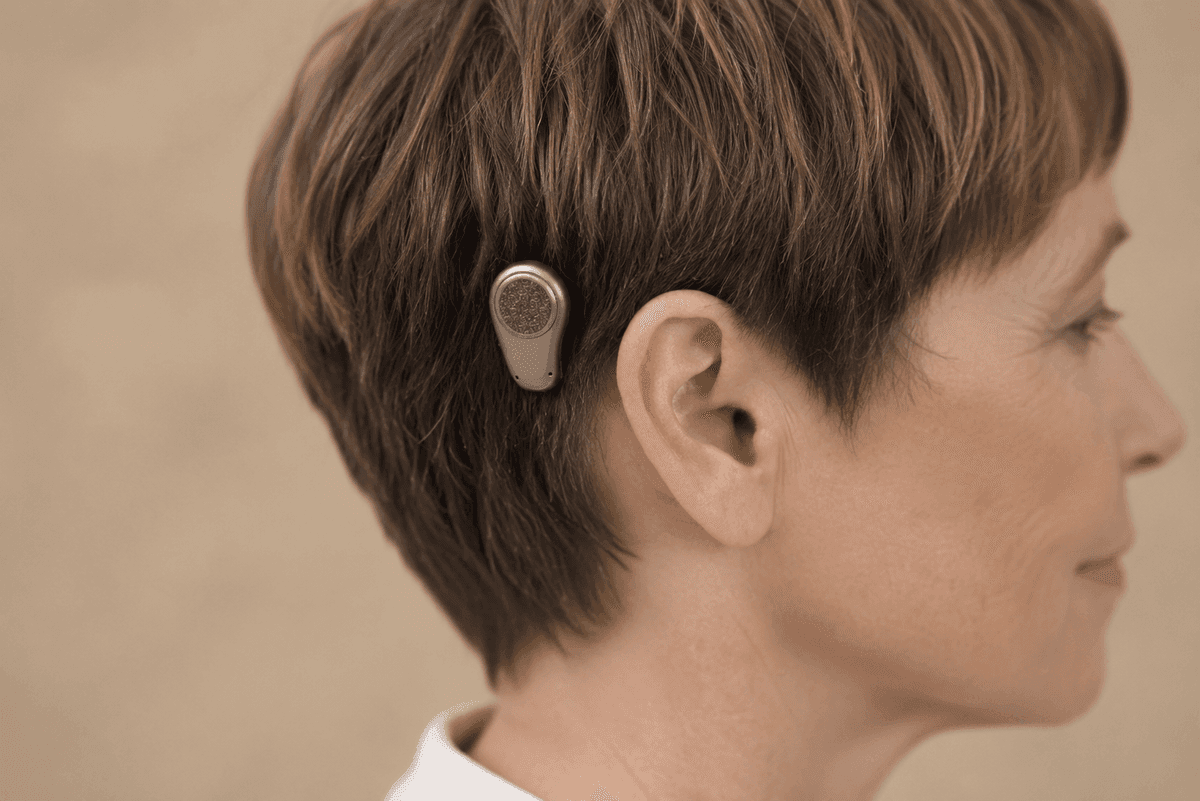
For some people, hearing aids may not provide enough benefit. If you have severe or profound hearing loss, options such as cochlear implants or bone-anchored auditory implants may be worth discussing. Dr. Singer can help you understand when additional treatment options should be considered.
 Severe hearing loss
 Profound hearing loss
 Cochlear implants
 Bone-anchored auditory implants
Frequently asked questions
Find a hearing aid that fits your life in Midtown Manhattan.
Request an appointment and we will guide you through your options with a complete evaluation, clear recommendations, pricing based on your specific needs, and long-term support.
Request an appointmentHearing health
Related reading
New to hearing aids? Learn what to realistically expect, how the adjustment period works, and the questions to ask before you commit.
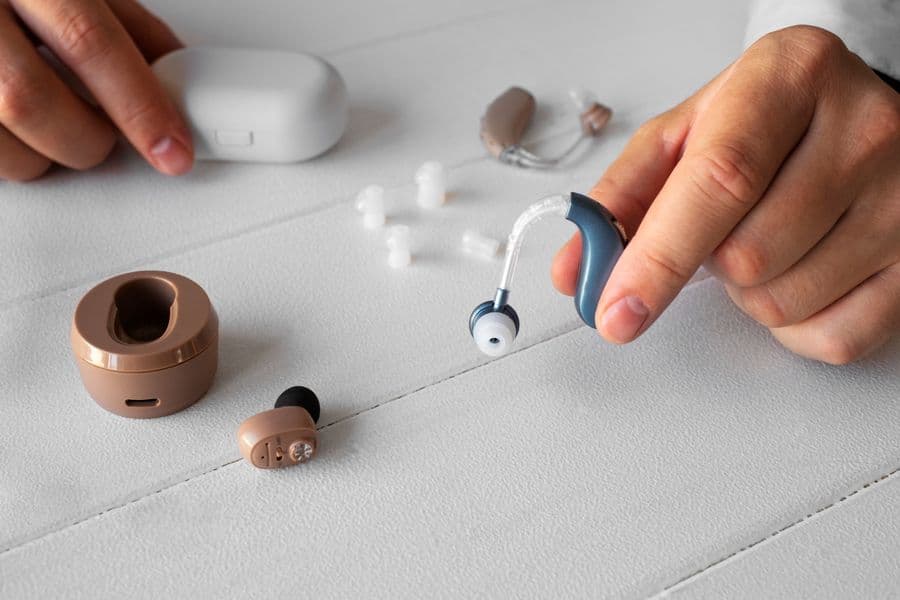
Modern hearing aids have changed dramatically smaller, clearer, more comfortable, and convenient. Discover how design & sound quality improved over the decade.
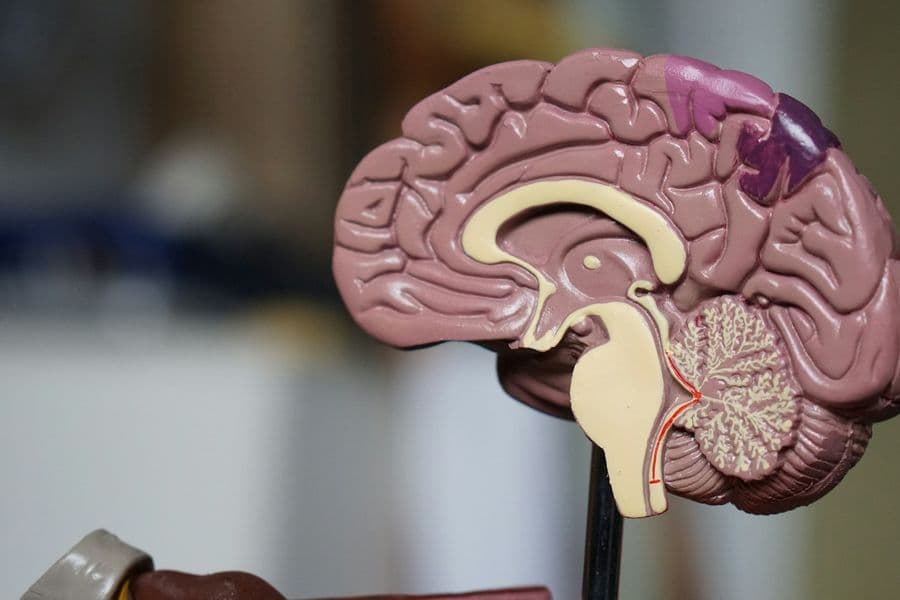
Hearing and brain health are more connected than most people realize. Learn what the research shows, what it doesn't, and why early care matters

Start your journey to better hearing today by requesting a consultation. Share the days and time of day that usually work best for you. After you submit the form, someone from our clinic will reach out to confirm your appointment.
Prefer to schedule by phone?
Call 212-914-4327