Hearing Loss and Brain Health: Why the Connection Matters
Hearing and brain health are more connected than most people realize. Learn what the research shows, what it doesn't, and why early care matters
Introduction
Most people think of hearing loss as a sound problem. The volume drops, conversations get harder to follow, and the television creeps louder year after year. That picture is real, but it misses something larger. The link between hearing loss and brain health is one of the most active areas of research in cognitive aging, and what scientists have found changes how a fading sense of hearing should be understood.
If you have noticed changes in your own hearing, or you are reading this for an aging parent, the connection is worth understanding. It explains why hearing care is now treated as part of long-term health rather than a simple matter of comfort or convenience.
Why Hearing and Brain Function Are More Connected Than Most People Realize
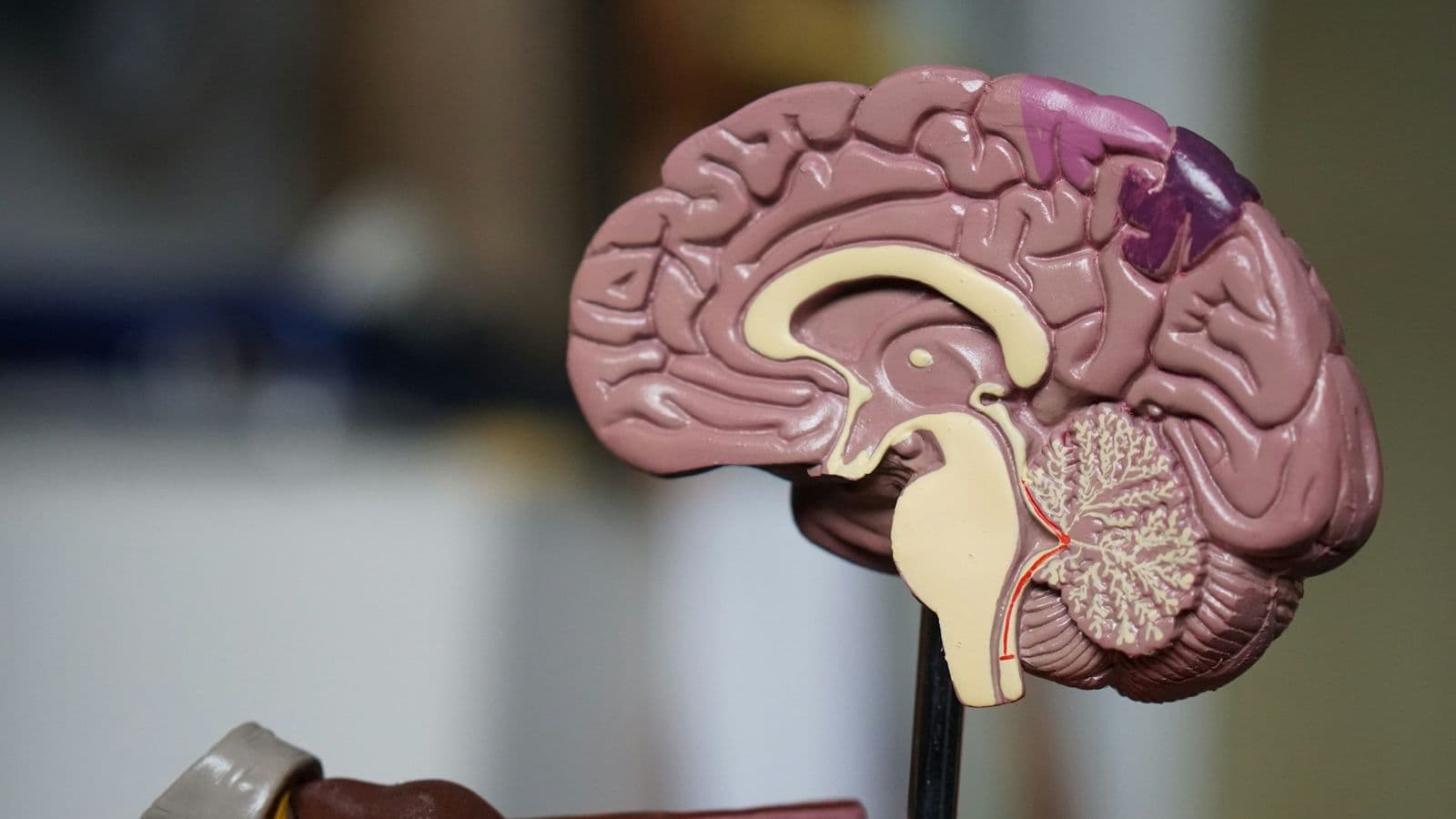
Hearing does not happen in the ears. It happens in the brain. The ears collect sound and turn it into electrical signals, but the meaning of those signals, recognizing a word, placing a voice, following a sentence, is built in the brain. The ear is the microphone. The brain is the listener.
When hearing fades, the brain receives a thinner, less complete signal. The sounds that carry speech clarity, the soft consonants like s, f, and th, are often the first to go. The brain still works to make sense of what arrives, but it is now filling in gaps and guessing at missing pieces. Over time, that gap between what the ears deliver and what the brain needs has consequences that reach beyond hearing itself.
How Untreated Hearing Loss Increases the Brain's Workload
Picture a phone call on a weak signal. You catch most of it, but you lean in, concentrate harder, and replay sentences in your head to keep up. That extra effort is real, and it has a name in audiology: listening effort, or cognitive load.
When hearing loss goes untreated, the brain runs on that elevated setting much of the day. Resources that would otherwise go to memory, attention, and understanding get pulled toward the basic task of decoding sound. A conversation in a quiet room may feel manageable. The same conversation in a restaurant, with clattering plates and overlapping voices, can become exhausting.
This is part of why people with hearing loss often describe feeling drained after social events, or why they start declining invitations. The strain is not imagined. The brain is spending more to do less, and that effort comes from a limited pool.
What Research Says About Hearing Loss, Memory, and Cognitive Decline
The science here has grown substantially. In 2020, the Lancet Commission on dementia prevention identified hearing loss in midlife as the single largest potentially modifiable risk factor for dementia, ahead of factors like smoking and physical inactivity. Earlier research from Johns Hopkins, led by Dr. Frank Lin, found that the risk of dementia rose alongside the severity of hearing loss, with greater hearing loss associated with greater risk.
It is worth being precise about what these findings mean. Hearing loss and cognitive decline are linked, but a link is not a guarantee. Risk is not destiny. What makes hearing loss notable among dementia risk factors is that it can be measured and addressed, which is not true of age or family history.
The most encouraging evidence comes from the ACHIEVE study, published in 2023. In a large trial of older adults, hearing intervention slowed cognitive decline over three years among participants at higher risk. That result moved the conversation from "hearing loss is associated with decline" toward "treating hearing loss may help protect the brain." Research continues, and no single study settles the question, but the direction is consistent.
For readers who want to weigh the question carefully, the Centers for Disease Control and Prevention and the National Institute on Deafness and Other Communication Disorders both publish plain-language summaries of this research.
Why "It's Just Hearing" Is the Wrong Way to Think About It
When hearing becomes hard work, many people quietly pull back. They sit out the dinner conversation, skip the family gathering, or stop calling friends because the phone has become frustrating. That withdrawal is the part of hearing loss that does the most serious damage.
Social connection and mental engagement help keep the brain active. Isolation does the opposite, and untreated hearing loss is a direct path to it. So the cost of waiting is rarely just a few missed words. It is the slow narrowing of a person's world, fewer conversations, less laughter at the table, more time spent on the outside of moments that used to include them.
Treating hearing loss as a minor inconvenience misses this entirely. The real question reaches past whether someone can hear. It is whether they stay connected to the people and activities that keep the mind sharp.
How Addressing Hearing Loss Can Ease the Mental Load
When hearing is supported, the brain gets a clearer signal and stops working overtime to fill in the blanks. Modern hearing aids do far more than raise volume. They sharpen speech, soften background noise, and deliver sound the brain can process with less effort. For many people, the first noticeable change is less fatigue at the end of the day.
That relief matters. When the brain is no longer straining to decode every sentence, attention and memory have room to work. People often report that conversations feel easier, that they follow group discussions again, and that social events stop feeling like a chore. The ACHIEVE findings suggest this restored input may also play a role in protecting cognitive function over time.
Hearing aids are one piece. Consistent care, regular check-ins, and adjustments as hearing changes all help a person get the full benefit. This is where ongoing support, rather than a single fitting, makes the difference between equipment that sits in a drawer and a solution that keeps working.
What an Evaluation Looks At, and the Value of Catching Changes Early
A hearing evaluation is the starting point for all of this, and it does more than tell you whether you "passed" or "failed." A thorough assessment maps how you hear across different pitches and volumes, measures how well you understand speech, and checks the health of the ear itself. The result is a clear baseline of how you hear today.
That baseline is valuable even when hearing loss is mild. Changes can be tracked over time, which means a problem can be caught and addressed before it quietly reshapes daily life. Dr. Singer takes the time to understand the numbers on the chart and, just as much, how you live, where you struggle, and what you want to keep doing. From there, the right next step becomes clear, whether that is treatment, monitoring, or simply peace of mind.
Catching changes early gives you the most options and the longest runway. The brain adapts best when it is given clear sound to work with sooner rather than later.
Take The Next Step
Understanding your hearing is the first step toward protecting it. Dr. Singer can walk you through a full evaluation and explain what your results mean for your hearing and your long-term health, right here in Midtown Manhattan.
Book an appointment. Call 212-914-4327 or email info@singeraudiology.com to get started.
Frequently asked questions
Does hearing loss increase the risk of dementia?
Research links untreated hearing loss to a higher risk of cognitive decline and dementia. The 2020 Lancet Commission identified hearing loss in midlife as the single largest modifiable risk factor for dementia. A higher risk is not a certainty, and hearing loss is one of the few risk factors a person can actually address.
Can treating hearing loss improve memory or focus?
Treating hearing loss gives the brain a clearer signal, which reduces the mental effort spent on listening and frees up attention for memory and focus. The 2023 ACHIEVE study found that hearing intervention slowed cognitive decline over three years among older adults at higher risk.
At what point does hearing loss start affecting the brain?
The brain begins working harder as soon as sound becomes harder to process, often before a person notices a clear problem. That is why a baseline hearing evaluation matters even for mild changes, since it lets small shifts get caught early.
SOURCES:
https://www.thelancet.com/commissions-do/dementia-prevention-intervention-and-care
https://thehearingplaceco.com/2023/08/20/the-connection-between-hearing-loss-and-brain-health/
https://www.reminduk.org/2026/02/12/hearing-loss-and-brain-health-what-the-lastest-research-shows/
https://alpharettaentspecialists.com/blog/hearing-aids-brain-health/