Early Signs of Hearing Loss and When to Get Your Hearing Checked
Worried about your hearing? Learn the early signs of hearing loss, the symptoms others notice first, and when to see an audiologist.
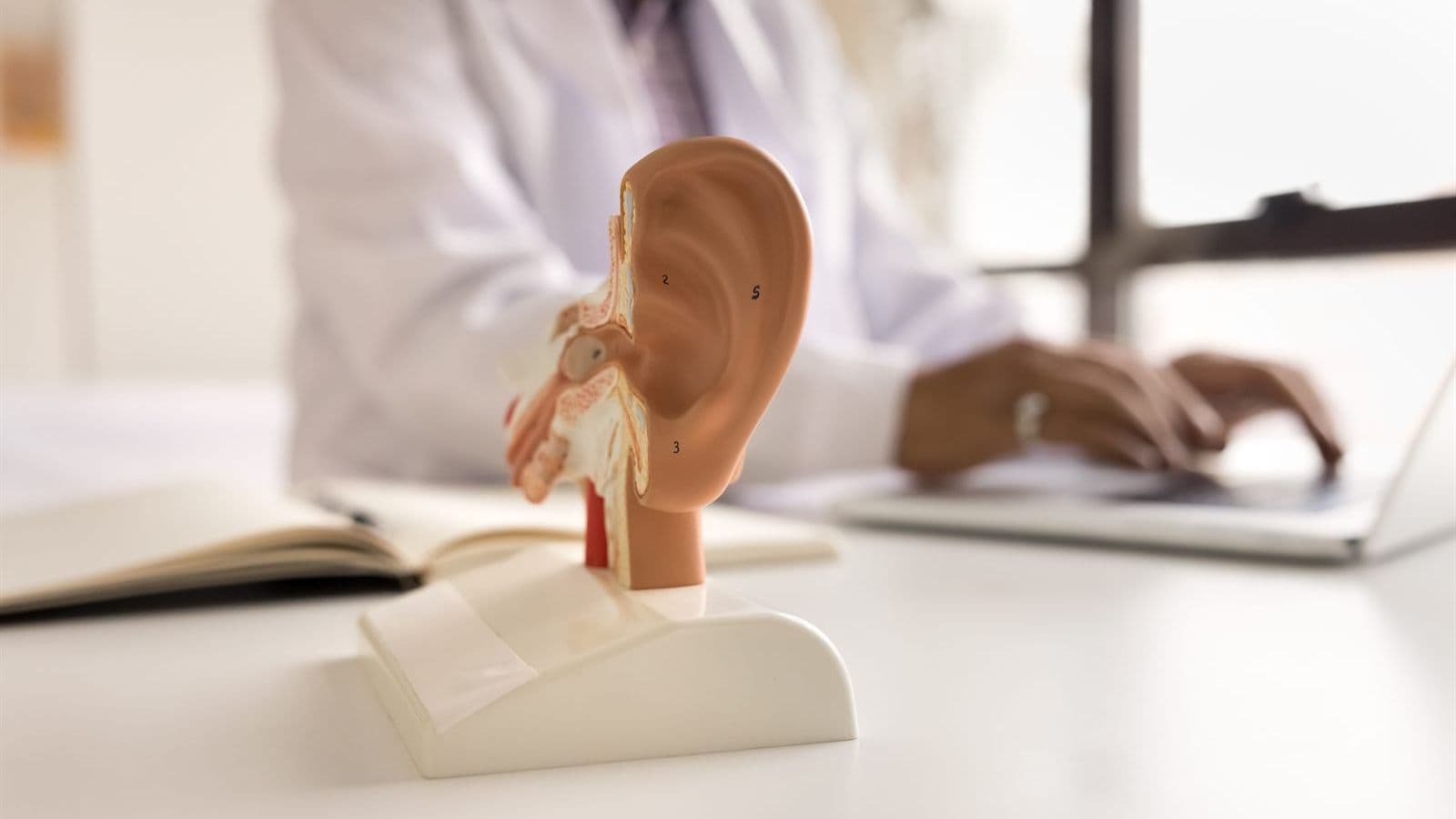
Most people don't wake up one day unable to hear. Hearing loss typically arrives slowly, so slowly that by the time you notice something is off, it may have been changing for years. The early signs of hearing loss are easy to dismiss as background noise, bad acoustics, or other people mumbling. They're not.
If you're regularly asking people to repeat themselves, struggling to follow conversations in restaurants, or turning the TV louder than the rest of the household wants it, those are signs you need a hearing test. This article explains what to watch for, why early action matters, and what a hearing evaluation actually involves.
Hearing Loss Is Usually Gradual, Which Is Why It's Easy to Miss
The most common type of hearing loss in adults, sensorineural hearing loss, develops gradually as the hair cells in the inner ear become less sensitive over time. This process is painless and silent. There's no alarm that goes off. You simply start compensating, leaning forward, choosing quieter tables, asking for repeats, without recognizing that these adjustments are becoming your new normal.
According to the National Institute on Deafness and Other Communication Disorders (NIDCD), approximately one in three adults between the ages of 65 and 74 has hearing loss, and nearly half of adults over 75 have significant difficulty hearing. But the changes often begin decades earlier, in the 40s and 50s, long before most people consider getting tested.
Common Early Signs of Hearing Loss in Adults
These are the patterns that tend to show up first, well before most people would describe themselves as having a hearing problem.
Turning up the TV. When the volume that used to be comfortable no longer feels sufficient, and others in the room start complaining it's too loud, that's a meaningful signal.
Trouble following conversations in noisy environments. Restaurants, family gatherings, meetings with multiple speakers. Hearing loss often reduces your ability to separate speech from background noise before it affects your ability to hear in quiet settings. If you've started avoiding social situations because they're exhausting, this is why.
Asking people to repeat themselves. Occasionally, everyone does this. Frequently, across multiple conversations and settings, it's a pattern worth paying attention to.
Mishearing words rather than missing them entirely. Many people with early hearing loss hear that someone is speaking but can't make out specific words, particularly consonants like s, f, th, and sh, which sit in the high-frequency range that tends to deteriorate first.
Ringing or buzzing in your ears (tinnitus). Tinnitus isn't always a sign of hearing loss, but it frequently accompanies it. If you notice persistent ringing, buzzing, or humming, especially after noise exposure, it's worth having both evaluated together.
Exhaustion after conversations. This one is underappreciated. When hearing is difficult, the brain works significantly harder to fill in the gaps. If you find yourself unusually fatigued after social situations or meetings, that mental effort is real, and it's a recognized symptom of untreated hearing loss.
These are the hearing loss symptoms in adults that audiologists see most commonly in patients who've been quietly compensating for years before seeking help.
Signs Other People Notice Before You Do
Hearing loss has a particular quality: the person experiencing it is often the last to recognize it.
Partners and family members frequently notice the problem first. They notice the TV volume. They notice being asked to repeat themselves. They notice that their loved one has stopped engaging in group conversations the way they used to.
If someone close to you has mentioned your hearing, even once, even gently, take it seriously. The research consistently shows that family members are often more accurate observers of hearing difficulty than the individuals themselves. A 2011 study in the American Journal of Audiology found that spouse-reported hearing concerns predicted objective hearing loss with significant reliability.
This is one of the most common reasons people arrive at a hearing evaluation: not because they asked for one, but because someone who loves them did.
Why Waiting Makes Treatment Harder, Not Easier
So when should you actually see an audiologist?
There is a real cost to delay. When hearing loss goes unaddressed for years, the brain gradually loses its ability to process certain sounds, a phenomenon called auditory deprivation. Fitting hearing aids after a long period of deprivation typically produces a slower and less complete adjustment than fitting them earlier.
Beyond auditory function, research has established a consistent link between untreated hearing loss and cognitive decline. A landmark Johns Hopkins study led by Dr. Frank Lin followed more than 600 adults over nearly a decade and found that those with hearing loss were significantly more likely to develop dementia than those without. The relationship isn't fully understood, but the cognitive load of struggling to hear, and the social withdrawal that often follows, are likely contributors.
Early treatment doesn't just preserve hearing. It protects quality of life.
What a Hearing Evaluation Actually Involves
A comprehensive hearing evaluation is neither painful nor time-consuming. At Singer Audiology, it typically takes about an hour.
The evaluation includes a review of your hearing history and any concerns, a visual examination of the ear canal, and a series of listening tests conducted in a sound-treated booth. You'll hear tones at different pitches and volumes, and you'll be asked to repeat words at various levels to assess speech understanding.
The results are plotted on an audiogram, a visual map of your hearing across different frequencies. Your audiologist will walk you through what it means in plain language and discuss whether any intervention is recommended. Understand what the evaluation covers →
If you're wondering what to expect on the day, our first-visit guide covers the full process.
When to Schedule a Hearing Check
The clearest answer to "do I have hearing loss" isn't guesswork, it's a test. Here are the situations that warrant scheduling one:
- You're regularly asking people to repeat themselves
- You find group conversations or noisy environments unusually difficult
- You've been told the TV is too loud
- You have persistent ringing or buzzing in your ears
- You're 50 or older and haven't had a baseline hearing test
- A family member has expressed concern
You don't need to be certain something is wrong. The purpose of a baseline evaluation is to establish where your hearing is now, so that if it changes over time, you have a reference point to compare.
If it's been a while since anyone checked your hearing, Singer Audiology offers long-term monitoring as part of ongoing care, not just a one-time assessment.
Ready to find out where your hearing stands?
Singer Audiology is a private audiology practice in Midtown Manhattan offering comprehensive hearing evaluations, hearing aids, and personalized long-term care. If you've been noticing any of the signs described above, or someone close to you has, a hearing check is the clearest next step.
Request an appointment → Call: 212-914-4327