Hearing Aid-Compatible Phones in 2027 and What the FCC Rules Mean
Check how a phone works with your hearing aids and when the FCC’s rules apply to manufacturers and wireless providers.

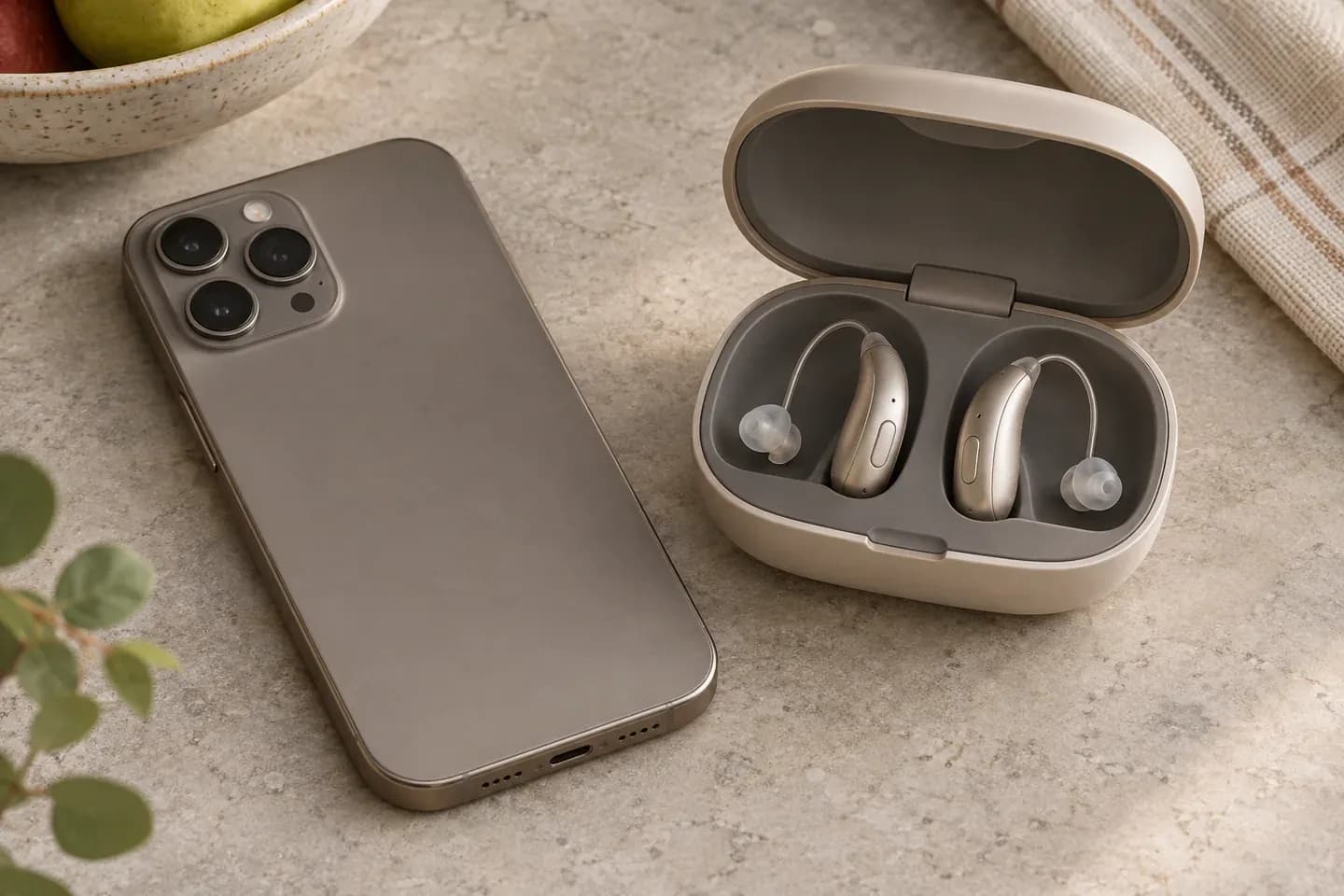
If you need a hearing aid-compatible phone in 2027, start with how you want to hear calls. You might hold the phone to your ear, switch to a telecoil program, or send call audio by Bluetooth. The FCC rules expand the number of compatible phones that manufacturers and wireless providers must offer. Check which connection your exact hearing aid and phone support before you buy.
When the FCC Rules Apply
The FCC set separate deadlines for companies that make mobile phones and companies that offer them with wireless service. The dates apply to the FCC’s 100% hearing aid compatibility requirement for covered handset models that those companies offer in the U.S. FCC compliance notice
Who offers the phone | When the 100% requirement applies |
|---|---|
Handset manufacturers | Starting December 15, 2026 |
Nationwide wireless providers | After June 14, 2027 |
Other covered wireless providers | After June 13, 2028 |
Every covered model must meet the acoustic requirement and support either telecoil or Bluetooth coupling, or both. The FCC sets minimum shares of 85% for telecoil and 15% for Bluetooth, subject to its rounding rules. Ask about the connection you need, even if the phone is labeled compatible. FCC final rule, Federal Register correction
Choose How You Want to Hear Calls
A phone can support more than one of these methods.
Method | How it works | What to check |
|---|---|---|
Acoustic | The phone speaker sends sound through the air to your hearing aid microphone. | Try your usual hearing aid setting. Check where to hold the phone for clear sound. |
Telecoil | The phone sends a magnetic signal to the telecoil in your hearing aid or implant processor. | Confirm that both devices support telecoil use and ask how to turn on the program. |
Bluetooth | The phone sends call audio wirelessly to compatible hearing devices. | Confirm that your exact phone and hearing device models support call streaming together. Bluetooth phone streaming does not establish Auracast support; read our Auracast deep dive to learn about public broadcasts. |
Check the Phone Before You Buy
- Write down your hearing device make and model. If you use a telecoil program, note how you select it.
- Look up the exact phone model. Check the manufacturer’s specifications and the wireless provider’s information for the connection you want.
- Ask what to expect with the calls you make. If you stream calls, confirm whether you speak into the phone or use your hearing device microphone. Ask about any app or software requirements.
- Try a call with your own devices if possible. Check whether you hear the other person clearly and can control the volume. If you plan to test at home, ask about the phone’s return policy first.
Sources
- Federal Communications Commission. Wireless Telecommunications Bureau Reminds Handset Manufacturers of Hearing Aid Compatibility Filing Deadlines and End of 100% Hearing Aid Compatibility Transition Period. 2026.
- Federal Communications Commission. Achieving 100% Wireless Handset Model Hearing Aid Compatibility. 2024.
- Federal Register. Correction to Achieving 100% Wireless Handset Model Hearing Aid Compatibility. 2024.
- American Speech-Language-Hearing Association. Hearing Aids for Adults.