Best Hearing Aids for Music in 2027: Three Options to Compare
Music can sound different through hearing aids. Compare current options and learn how music settings, fit, streaming, and hearing protection affect your choices.

The best hearing aid for music in 2027 is the one that fits your hearing and makes the music you value sound useful and enjoyable to you. Widex Allure AI, Phonak Audéo EON Sphere, and Oticon Reveal are current options to discuss, but their features do not prove that one is the best for everyone.
Music played through speakers, a live instrument, and music streamed from a phone can sound different through the same hearing aids. This guide compares features described by manufacturers, not results from an independent head-to-head listening test. It reflects U.S. manufacturer information checked on November 20, 2026; check availability and features again before choosing.
Why Music Can Sound Different Through Hearing Aids
Hearing aids often prioritize speech, while music can contain a wider range of pitches and loudness. A speech-oriented setting can change how instruments and voices sound together. A music program is an alternative setting intended for music, but its name alone does not guarantee a better result.
A 2026 UK survey of 1,507 hearing aid users found that music experiences were mixed, with distortion and poor sound quality reported particularly for loud or live music. Only about one third reported using a music program, and its perceived usefulness varied. The survey collected responses in 2016–2018; it did not test the current models below.
Three Current Hearing Aids to Discuss for Music
These models are examples to compare with an audiologist, not a complete list or a ranking. Check the exact model, technology level, phone, and features offered in your area.
Widex Allure AI RIC
Widex describes Allure AI RIC as part of its Allure family. The U.S. Allure app information describes a Music program for concerts and other non-streamed music, as well as controls to personalize sound. Ask whether that program and the app controls are available on the configuration you are considering.
Try it if: You want to compare a dedicated non-streamed music setting with the everyday setting. Listen to a familiar recording through speakers and, separately, through a compatible streaming device.
Phonak Audéo EON Sphere
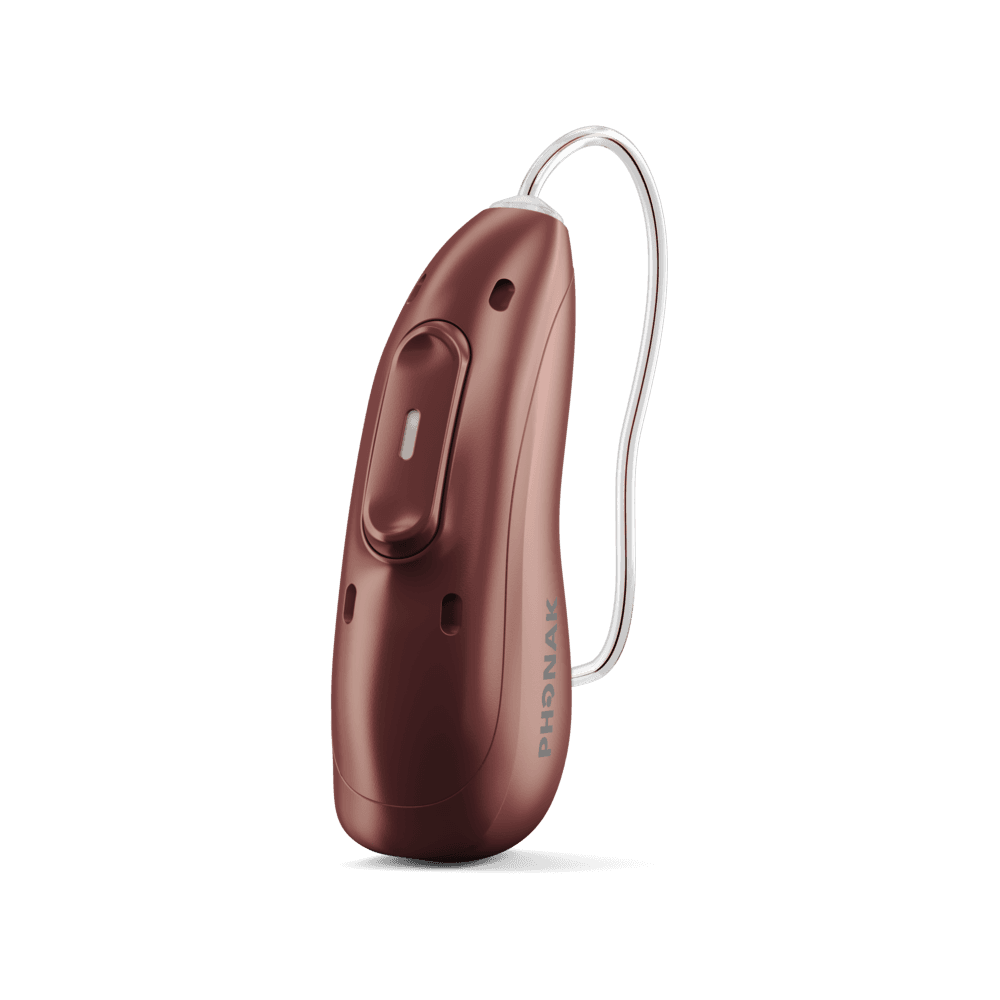
Phonak describes EON Sphere as a rechargeable receiver-in-canal hearing aid with Bluetooth streaming and Auracast broadcast audio support. A receiver-in-canal device has a small body behind the ear connected by a wire to a speaker in the ear. Ask whether a dedicated music setting is available for the exact U.S. configuration.
Try it if: You want to compare live or room sound with streamed music from a compatible device. Test the connection with your own phone before making a decision.
Oticon Reveal
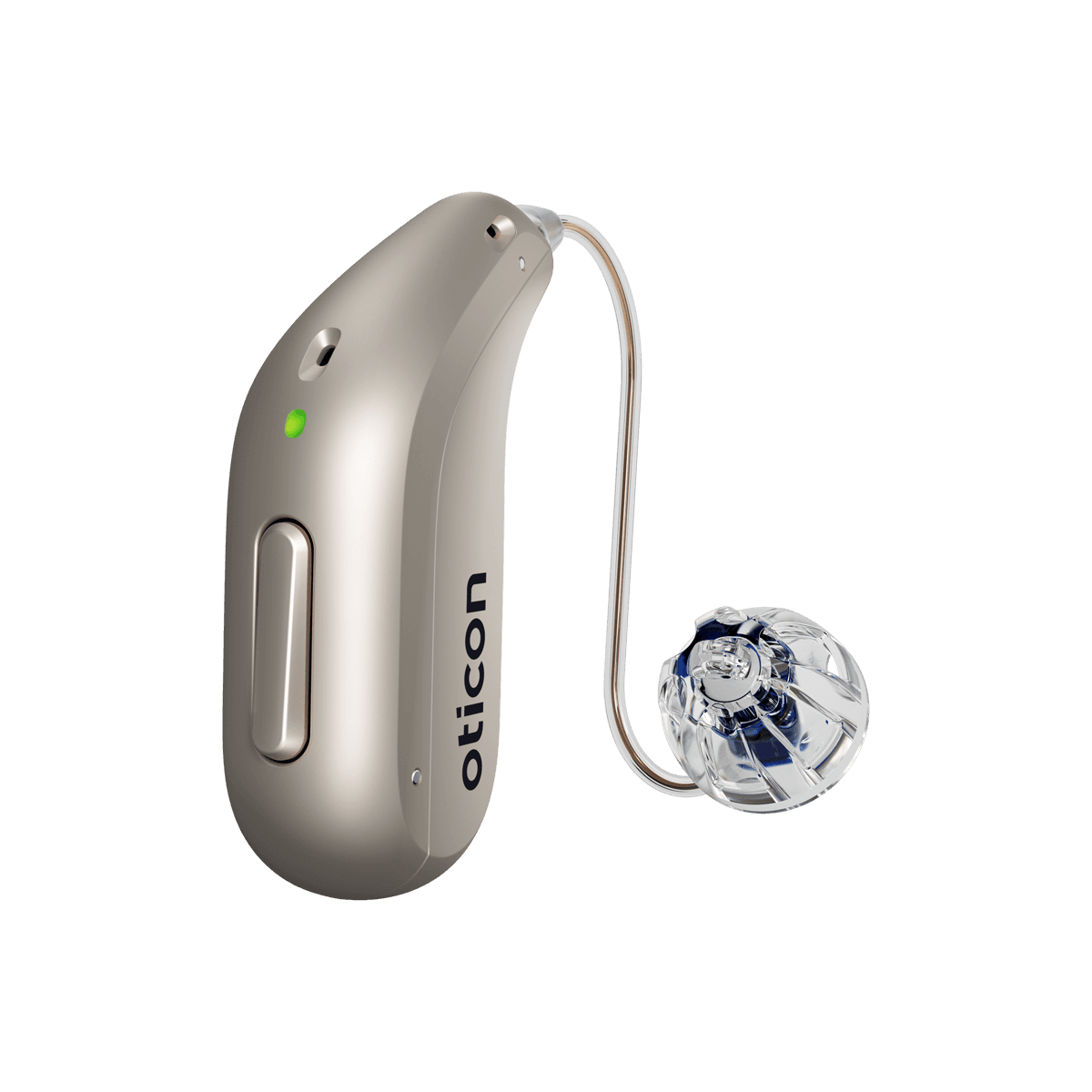
Oticon's U.S. product information describes Reveal's speech and context processing, Bluetooth LE Audio and Auracast support. Its music guidance describes a MyMusic program for live and streamed music. Ask the fitter to confirm availability for your exact Reveal configuration and to set it up if appropriate.
For the difference between phone streaming and a public broadcast, see our Auracast deep dive.
Try it if: You want to evaluate an audiologist-set music program alongside your everyday program. Compare how voices, strings, percussion, or your own instrument sound in both.
Make a Music-Focused Fitting Plan
Start with a hearing evaluation and fitting discussion. Tell the audiologist whether you sing, play an instrument, attend concerts, or mostly stream recordings. Your needs may differ for each situation.
Bring a few familiar recordings on your phone. If practical, ask whether you can bring your instrument. Describe what you notice: a piano may sound harsh, a singer may be too quiet, or your own instrument may overwhelm the group. Ask to compare the everyday setting and a music setting, then record what happens in your normal listening environments.
Ask how the fitting is verified. ASHA's adult hearing aid guidance describes real-ear measurements, which measure sound in the ear, as part of verifying hearing aid output. Verification and a follow-up listening check serve different purposes: one checks the fitting; the other helps you describe what still needs adjustment.
Keep Music Listening and Hearing Protection Separate
A hearing aid or music program should not be assumed to protect your ears from loud sound. At loud concerts or rehearsals, move farther from speakers where practical, take quiet breaks, and use suitable hearing protection. The CDC recommends hearing protection when noise cannot be avoided.
Ask an audiologist how to manage protection with your particular hearing aids and listening needs. You may need to remove the aids to use properly fitted earplugs, or use a different suitable protection arrangement. Never assume that an earplug, earmuff, or hearing aid combination fits or protects adequately without checking.
If tinnitus sound features are also part of your listening goals, see our 2027 guide to hearing aids for tinnitus.
Choose the Sound That Works for You
Compare music quality with comfort, speech needs, phone compatibility, cost, trial terms, and follow-up. Ask what is included in the quoted price and how adjustments are handled. The latest device is not automatically the best match for your ears or your music.
Learn more about hearing protection for music, or request an appointment to discuss hearing aids and listening goals with Singer Audiology.
Sources
- Greasley AE, et al. Using Hearing Aids for Music: A UK Survey of Challenges and Strategies. 2026.
- Widex. Allure AI RIC product information.
- Widex. Allure app and listening programs.
- Phonak. Audéo EON Sphere product information.
- Oticon. Reveal product information (U.S.).
- Oticon. How to listen to music with your hearing aids.
- American Speech-Language-Hearing Association. Hearing Aids for Adults.
- CDC. Preventing Noise-Induced Hearing Loss.