Best Hearing Aids for Tinnitus in 2027: Features to Compare
Learn how hearing aids may fit into tinnitus care, compare features in two recent models, and know what to ask at a fitting.

The best hearing aid for tinnitus in 2027 is the one that fits your hearing needs and works within a care plan for your symptoms. Some hearing aids make everyday sounds easier to hear; some also offer adjustable sounds that a hearing care professional can set for tinnitus support. Neither approach guarantees that tinnitus will disappear.
If your hearing drops suddenly, seek medical attention immediately. Tinnitus can occur with sudden hearing loss, which needs prompt evaluation. If a sound keeps time with your pulse, tell a physician promptly. Persistent tinnitus in one ear also needs professional assessment.
How Hearing Aids Can Fit Into Tinnitus Care
Tinnitus is the perception of sound without an outside source. It can sound like ringing, buzzing or hissing, and it can occur with or without hearing loss. A hearing aid may make everyday sounds more audible for someone with hearing loss, making tinnitus less prominent for some listeners. Others may want an optional sound generator that adds a low-level sound selected with a clinician.
The 2026 U.S. tinnitus guideline recommends a hearing aid evaluation for adults with hearing difficulty and persistent, bothersome tinnitus. It also recommends cognitive behavioral therapy, a structured approach that can help reduce tinnitus-related distress. Sound enrichment is an option, not a promise of a cure. Read our guide to the 2026 tinnitus recommendations for more detail.
Two Recent Hearing Aids to Discuss
These examples were selected from recent manufacturer information checked on November 20, 2026. They are not a head-to-head ranking, and no claim here establishes that either device is better for tinnitus than another. Ask about the exact U.S. configuration, technology level, availability and fitting software before deciding.
Phonak Audéo EON Sphere
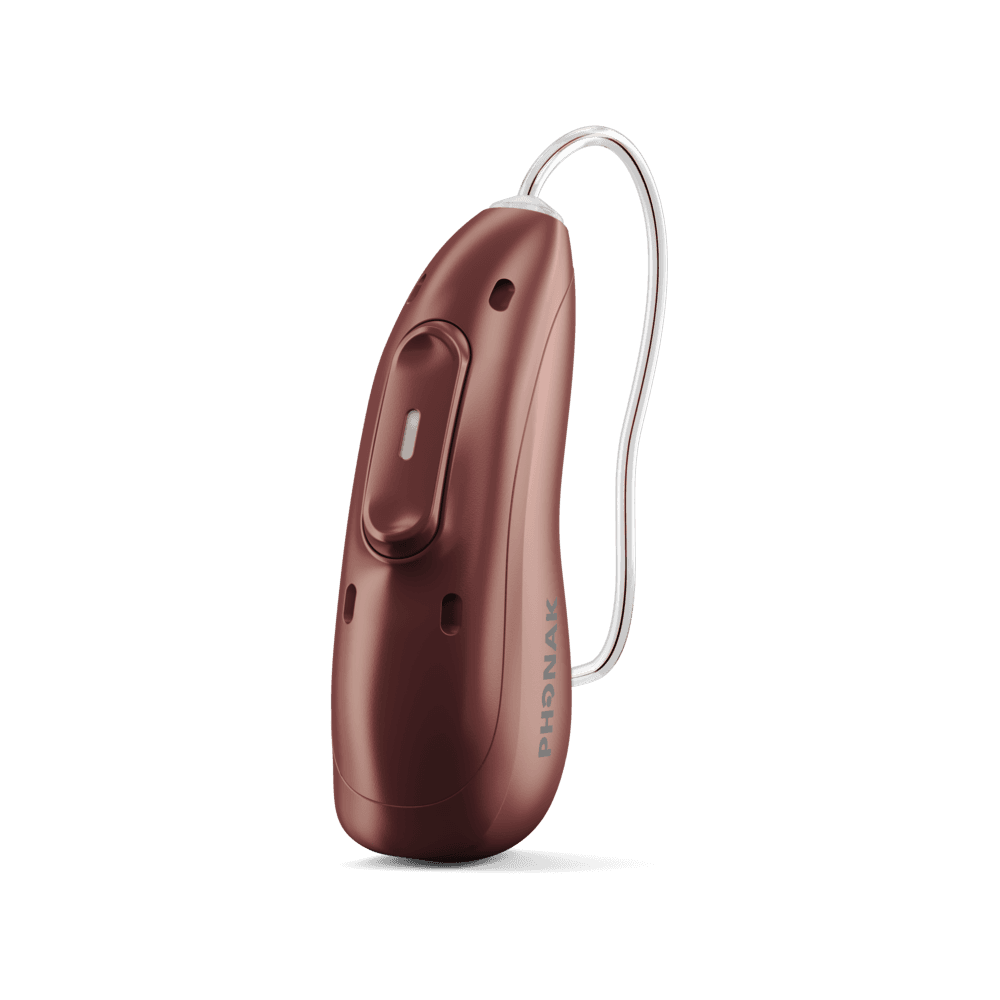
Phonak's U.S. product page describes EON Sphere as a rechargeable receiver-in-canal hearing aid with Bluetooth and Auracast connectivity. It does not list a Tinnitus Balance feature for this model. Ask whether a sound generator is available for the exact style and technology level; do not assume it is included.
Ask at the fitting: Does this exact model support an adjustable tinnitus sound option? How can we check whether it helps without making listening uncomfortable?
Starkey Omega AI+
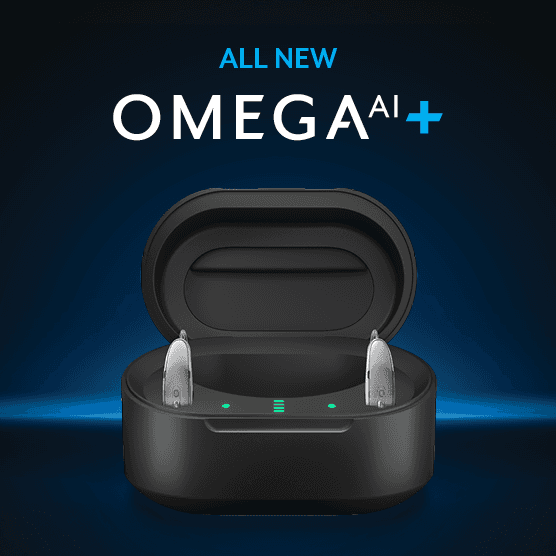
Starkey's My Starkey app is compatible with Omega AI+, and its tinnitus-app information lists tinnitus management. The public pages do not confirm that every style has an in-device masking program or the same sound controls, so check the exact configuration.
Ask at the fitting: Does this exact Omega AI+ style support a tinnitus sound option in the device or app? How can it be adjusted comfortably, and what follow-up is included?
Other manufacturers offer tinnitus-related features, and a device without a sound generator can still help someone hear more of their surroundings. Compare the full fitting, not only the presence of a tinnitus program. If music quality is your main listening concern, see our 2027 guide to hearing aids for music.
What a 2026 Study Found
In a small 2026 randomized trial, 26 adults with chronic tonal tinnitus and moderate hearing loss were assigned to compare standard amplification with a hearing-aid setting that filtered sound around the tinnitus frequency. The special setting did not provide an advantage over standard amplification for the measured tinnitus handicap. Because effects carried over between treatment periods, the primary analysis used only the first period.
The study is a useful reason to ask what a feature has been shown to do, but it does not test the two models above or prove that standard amplification works for everyone. Different tinnitus experiences can call for different care plans.
Questions to Ask Before You Choose
Start with a hearing evaluation and describe when tinnitus is most noticeable. Tell your clinician about hearing changes, sound sensitivity, sleep and the situations where you want help.
Ask these questions:
- What do my hearing results suggest about the hearing aid styles that fit me?
- Does this exact model have an optional sound generator, and who adjusts it?
- Can we verify the fit with real-ear measurement and review my progress after I try it?
- What are the trial terms, total cost, follow-up, warranty and repair arrangements?
- If tinnitus still affects my daily life, what other care options should I discuss?
Sound should be comfortable. Ask your hearing care professional how to use any sound program safely and when to request an adjustment. A hearing aid is one possible part of care, not a replacement for medical evaluation when symptoms call for it.
Make a Plan for Your Hearing and Tinnitus
If tinnitus or hearing difficulty is affecting daily life, learn about tinnitus evaluation and management or request an appointment with Singer Audiology in Midtown Manhattan. Bring your questions and any previous hearing test results.
Sources
- National Institute on Deafness and Other Communication Disorders. Tinnitus.
- National Institute on Deafness and Other Communication Disorders. Sudden Deafness.
- NICE. Tinnitus: assessment and management.
- American Academy of Otolaryngology–Head and Neck Surgery Foundation. Clinical Practice Guideline: Tinnitus Update. 2026.
- Phonak. Audéo EON Sphere product information, U.S. site.
- Starkey. Omega AI+ hearing aids.
- Starkey. My Starkey app for hearing aids.
- Starkey. Hearing aid and tinnitus apps.
- Quemar et al. Notch-induced lateral inhibition compared to standard amplification for chronic tinnitus: a randomized controlled trial. 2026.