Best Hearing Aids and Protection for Hunting in 2027
Compare electronic custom devices and earmuffs for hunting, and learn how to protect your hearing when you already wear hearing aids.
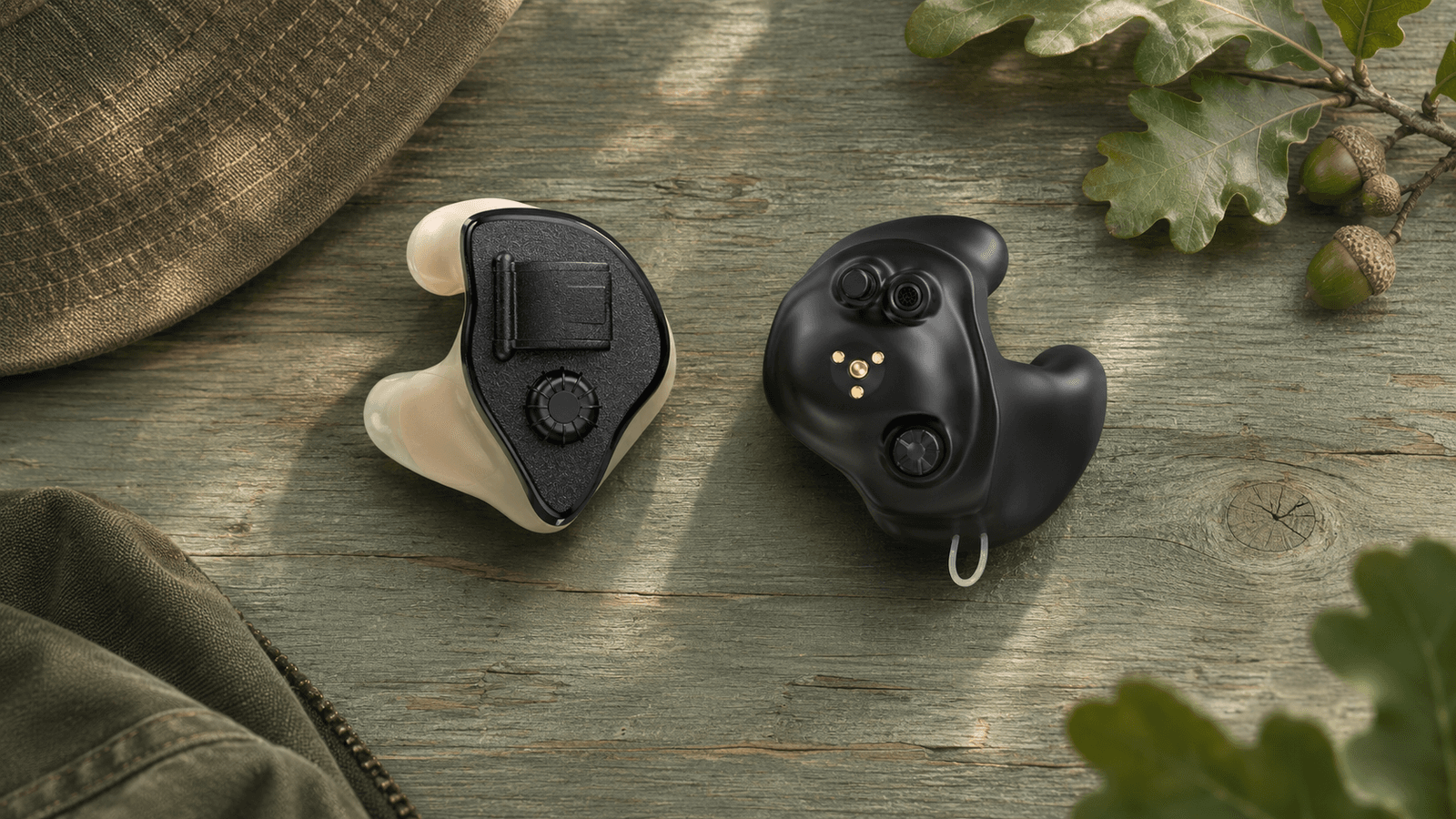
The best hearing protection for hunting is equipment you can wear correctly whenever a firearm may be fired. If you also have hearing loss, the right choice must address both communication and protection: a conventional hearing aid alone should not be assumed to protect you from a gunshot.
This guide compares the ESP Apex, SoundGear Phantom, and 3M Peltor Sport Tactical 500 as examples of different approaches. These are not an independently tested ranking, and other products may suit you. Product details were checked against current U.S. manufacturer pages on November 20, 2026; ask about current options and exact labeling before buying in 2027.
Why Gunfire Needs More Than a Hearing Aid
A gunshot is a brief, intense impulse. Even one shot can be loud enough to damage hearing. The National Institute for Occupational Safety and Health (NIOSH) recommends double protection: earplugs plus earmuffs whenever a firearm is fired. Fit matters for both layers, and glasses or a poor seal can reduce an earmuff's protection.
Electronic hearing protectors use microphones and processing to make some quieter sounds available while limiting louder sound. They do not guarantee that every sound will be audible or that every exposure is safe. Check that any device is designed and labeled for the noise you will encounter, and follow its instructions.
Ordinary hearing aids, noise-canceling headphones, and earbuds are not substitutes for firearm-rated protection unless their specific labeling says otherwise. Ask your audiologist how to protect your ears without creating an unsafe fit over your existing devices.
Three Options to Discuss
The following products serve different needs. Manufacturer information describes their features; it does not establish which will protect or help you hear best in your particular situation.
ESP Apex: Custom Electronic Hearing Protection
ESP Apex is custom-fit electronic hearing protection with a rotary volume control, wind-noise suppression, and optional tuning to a hearing profile. ESP lists a 25 dB passive noise reduction rating and a zinc-air battery. Its technical table lists 16 processing channels.
Consider it if: You want a molded in-ear device and adjustable environmental sound while hunting, especially when wind is a concern. Confirm the ear impression, fit, care requirements, and whether its tuning can meet your hearing needs. Do not assume an electronic protector is a prescription hearing aid or that it alone provides adequate protection for every shot.
SoundGear Phantom: Prescription Hearing Aid and Protection
SoundGear Phantom is a custom, rechargeable protector that its manufacturer also identifies as an FDA-listed prescription hearing aid. SoundGear lists a 22 dB noise reduction rating, streaming support, and a stated battery life of 23 hours including four hours of streaming. Battery performance depends on use. The manufacturer's online listing showed it as sold out on November 20, 2026; ask a provider about current availability.
Consider it if: You need both hearing-loss treatment and an in-ear protection device. A hearing professional should assess whether it is appropriate for your hearing loss and fit and program it under the applicable labeling. Discuss how to combine it with earmuffs and preserve a good seal.
3M Peltor Sport Tactical 500: Electronic Earmuffs
The Peltor Sport Tactical 500 is an over-ear electronic protector. 3M describes sound-restoration processing, Bluetooth connectivity, and a 25 dB noise reduction rating on its current product page. The cups have cut-outs intended for long-gun use.
Consider it if: You prefer an over-ear device that can be used with properly fitted earplugs. Check that the ear cushions seal around your glasses and remain sealed when you shoulder your firearm. These earmuffs are not a substitute for a prescribed hearing aid.
What Ratings and Fit Can Tell You
The noise reduction rating (NRR) is a laboratory measure, not a promise of the exact reduction you will get in the field. It is not a direct measure of protection from every brief firearm impulse. Do not subtract the NRR from a gunshot's peak level and treat the result as a safety guarantee; do not add two ratings together to predict double protection.
Custom fit can be convenient, but custom does not automatically mean well sealed. Have the fit checked, follow the insertion instructions, and check for changes in comfort or seal. Ask whether fit testing is available, and make sure your eyewear, hat, and earmuffs work together.
Sound location and speech can be harder to judge with hearing protection, especially with two layers. Practice communicating with your group and test the fit and controls before entering the field. Do not remove protection to hear a conversation when a shot may occur nearby.
Choose Around Your Hearing and Your Hunt
Start with a hearing evaluation if conversation, birdsong, or other everyday sounds have become difficult to hear. Tell the audiologist whether you hunt from a blind, walk in wind, shoot indoors, wear glasses, or use hearing aids. These details affect comfort, communication, and the protective fit.
Ask about the device's intended use, fit, battery plan, maintenance, warranty, and total cost. If you already wear hearing aids, ask for a plan for shooting and non-shooting periods rather than assuming one setting will do both jobs. For non-shooting outdoor use and travel, see our 2027 guide to active-lifestyle hearing aids. You can also learn about custom hearing protection or request an appointment in Midtown Manhattan.
If hearing suddenly drops after a shot, seek medical care immediately. Sudden hearing loss can be a medical emergency. Ringing or muffled hearing after shooting is also a reason to seek an evaluation and review your protection.
Sources
- NIOSH. Firearms and Hearing Protection.
- NIOSH. Three Tips for Choosing the Right Hearing Protector.
- NIOSH. Assessment of Noise Exposure for Indoor and Outdoor Firing Ranges.
- NIDCD. Sudden Sensorineural Hearing Loss.
- ESP America. Apex.
- ESP America. Technical Specifications.
- SoundGear. Phantom.
- 3M. Peltor Sport Tactical 500 Electronic Hearing Protector.
- 3M. Peltor Tactical Earplug Instruction Manual.